
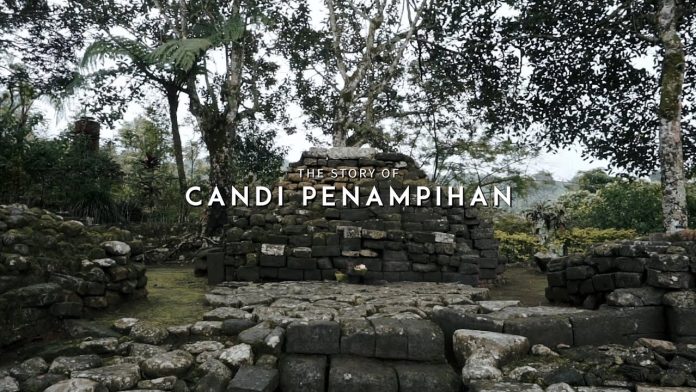

RADAR TULUNGAGUNG – Hidden on the southeastern slope of Mount Wilis, the ancient Penampihan Temple in Tulungagung is once again drawing attention for its spiritual history, environmental philosophy, and mysterious connection to the Hindu kingdoms of Java.
The site, known locally as Penampihan Temple, is believed to have served as a sacred worship place from the era of the Hindu Mataram Kingdom, continuing through Kediri, Singasari, and the final days of Majapahit. The temple complex is considered one of the oldest historical sites in Tulungagung and reflects a long, uninterrupted cultural tradition in East Java.
Local historians explained that the name “Penampihan” carries spiritual meaning. According to local belief, “Penampihan” symbolizes a place where prayers are accepted, while negative intentions are rejected. The temple was intentionally built in a quiet and elevated area to help worshippers find peace, calmness, and spiritual closeness to the Creator.
Penampihan Temple and Ancient Sacred Traditions
The temple features layered terraces similar to the prehistoric “punden berundak” structure that early Indonesian communities built centuries ago. Historians explain that ancient people considered high places sacred because they believed mountains connected humans with spiritual power.
That belief encouraged many kingdoms across Java to build temples and sacred structures on mountain slopes and hillsides. Penampihan Temple remains one of the strongest examples of how prehistoric traditions survived and blended into Hindu-Buddhist culture.
Researchers believe communities lived around Mount Wilis long before the rise of powerful kingdoms in East Java. The area offered mountains, rivers, fertile land, and wetlands that supported human settlement for generations.
Historians also see Penampihan Temple as proof that Tulungagung has preserved its historical identity for centuries. The region combines nature, spirituality, and history in one continuous cultural story.
The Sacred Water Philosophy Behind the Temple
Beyond its historical value, Penampihan Temple also carries an important environmental message. Historians and cultural observers say the temple functioned as a place to purify water flowing from Mount Wilis.
In ancient Hindu belief, water from the mountain was regarded as “Tirta Amerta,” or the water of life. The temple symbolized the importance of protecting springs and preserving nature because water was considered sacred and essential for survival.
Observers noted that the ancestors of Java had already taught environmental conservation centuries ago. The message was simple but powerful: humans must live in harmony with nature because water is the source of life for all living beings.
This philosophy remains relevant today as many regions face environmental damage, water shortages, and declining awareness about conservation. The existence of Penampihan Temple reminds modern society that protecting forests, rivers, and springs is not only an environmental duty but also part of cultural heritage.