
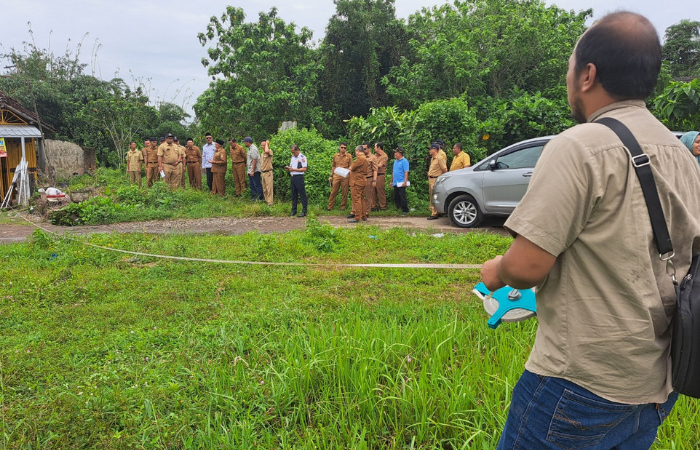

BLITAR – Kanigoro Asri Park will rise on the former Kanigoro Market site next year, bringing a hybrid concept that expands green space while boosting local small businesses in Blitar Regency.
The project forms part of Blitar Regency’s strategy to increase its green open space ratio, which still falls below national planning targets. Environment Agency head Iwan Dwi Winarto said the new park will help meet mandatory urban green space requirements.
“Each region must allocate a certain percentage of land for green open space. Kanigoro Asri Park will contribute to fulfilling that requirement,” Iwan said.
Unlike existing green spaces in Kanigoro, the planned park will integrate family recreation areas with dedicated zones for micro, small, and medium enterprises, known locally as UMKM. The concept follows direction from the Blitar regent to strengthen local economic activity within public spaces.
Residents will still be able to gather, picnic, and enjoy outdoor activities. However, the site will also host curated stalls for local vendors to sell regional foods and products.
“There will be space for gatherings where families can bring food and spend time together. We will also provide areas for UMKM traders,” Iwan said.
Authorities encourage vendors to prioritize local specialties such as cassava snacks, fried bananas, ketuk, sempol, and regional satay. While other foods will not be banned, officials prefer products that reflect Blitar’s culinary identity.
The Environment Agency also plans product curation standards covering packaging, presentation, and hygiene to improve marketability and visitor experience.
Blitar Regency already manages several green open spaces across the region, including Kanigoro, Kelingi, Ngarum, Sukarni, and Sutojayan parks. However, officials said usage often spikes only during major events, leaving daily activity relatively low.
By combining recreation and commerce, planners hope Kanigoro Asri Park will attract steady visitors and strengthen both environmental and economic functions. Authorities are also reviewing future operational and maintenance budgets to ensure long-term sustainability.