
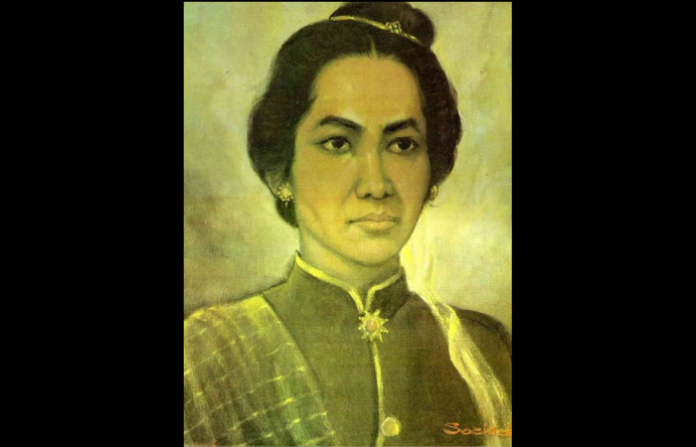

RADAR TULUNGAGUNG – Aceh War became one of the longest and most costly conflicts in Dutch colonial history, lasting for decades and claiming thousands of lives. Fierce resistance from Acehnese fighters, including national heroine Cut Nyak Dhien, forced Dutch forces into a prolonged campaign that reshaped the history of Indonesia and the Dutch East Indies.
The Aceh War began in 1873 when the Netherlands launched a military invasion of the independent Aceh Sultanate in northern Sumatra. Dutch authorities sought to expand their influence across the archipelago and secure control over strategic maritime routes near the Strait of Malacca, one of the world’s most important trading corridors.
Despite the Dutch military’s superior resources and weaponry, Acehnese leaders organized determined resistance that continued well into the early 20th century. Historians widely regard the conflict as the longest military campaign fought by the Dutch in the East Indies.
Aceh’s Strategic Importance Before the War
Long before the outbreak of the Aceh War, Aceh stood as one of Southeast Asia’s most influential Islamic centers. Located at the northern tip of Sumatra, the region occupied a strategic position along international trade routes connecting the Middle East, South Asia, China, and Europe.
The Aceh Sultanate emerged in the early 16th century under Sultan Ali Mughayat Syah and later reached its height during the reign of Sultan Iskandar Muda in the early 17th century. During this period, Aceh expanded its political influence across parts of Sumatra and the Malay Peninsula while strengthening trade and Islamic scholarship.
The Dutch invasion followed growing colonial ambitions after the Anglo-Dutch Treaty of 1871, which gave the Netherlands greater freedom to pursue expansion in northern Sumatra. Two years later, Dutch forces formally declared war on Aceh.
Early Battles Exposed Dutch Difficulties
The first Dutch expedition in 1873 quickly revealed that Aceh would not be an easy target. Dutch commander Major General Johan Harmen Rudolf Köhler led the invasion force but died during fighting near the Grand Mosque of Baiturrahman in Banda Aceh.
Although Dutch forces later captured parts of the capital, they struggled to eliminate local resistance. Acehnese fighters relied on mobility, local knowledge, and guerrilla tactics to counter a better-equipped colonial army.
The conflict escalated in 1874 when the Dutch launched a second major expedition involving thousands of troops. However, military operations faced setbacks from disease outbreaks, including cholera, which affected both colonial forces and local communities.
As the war dragged on, resistance spread across the region. Acehnese leaders continued to organize attacks against Dutch positions despite repeated military offensives.
Cut Nyak Dhien Became a Symbol of Resistance
Several prominent figures emerged during the conflict, including Teuku Umar, Panglima Polem, and Cut Nyak Dhien. Their leadership helped sustain resistance long after Dutch authorities expected the war to end.
Teuku Umar became one of Aceh’s most respected military leaders before he was killed in battle in 1899. Following his death, Cut Nyak Dhien continued the struggle against colonial forces and became one of the most enduring symbols of Indonesian resistance.
Operating from the interior of Aceh, she led fighters and encouraged continued opposition despite mounting pressure from Dutch military campaigns. Her determination earned widespread recognition in Indonesian history, and she is now honored as a National Hero of Indonesia.
Dutch authorities eventually combined military operations with intelligence strategies. Colonial adviser Christiaan Snouck Hurgronje played a key role in developing policies designed to weaken resistance networks and divide local support for the insurgency.
Lasting Impact on Indonesian History
By the early 20th century, Dutch forces had established greater control over Aceh, although scattered resistance continued in some areas. The conflict left deep social and economic scars while demonstrating the limits of colonial power against determined local opposition.
Today, historians remember the Aceh War as a defining chapter in Indonesia’s anti-colonial struggle. The conflict highlighted the resilience of Acehnese society and the leadership of figures such as Cut Nyak Dhien, whose legacy continues to inspire generations.
More than a century later, the Aceh War remains a powerful reminder that local resistance played a crucial role in shaping Indonesia’s path toward independence and national identity.