
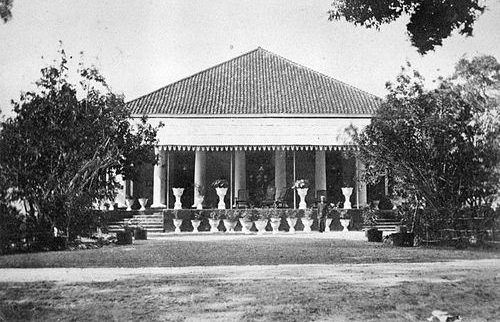

RADAR TULUNGAGUNG – The history of Kupang traces the remarkable transformation of a small coastal settlement into the capital of East Nusa Tenggara and one of eastern Indonesia’s most important urban centers. Local kingdoms, European colonial powers, and Indonesia’s post-independence governments all shaped the city’s development over several centuries.
Today, Kupang serves as the administrative, economic, and transportation hub of East Nusa Tenggara. Its strategic location on Kupang Bay helped the city emerge as a key center for trade, governance, and cultural exchange in the Timor region.
The history of Kupang also reveals how indigenous communities, colonial competition, and modern state-building efforts contributed to the growth of the city that now anchors development across the province.
The Origins of Kupang and the Story Behind Its Name
Historical accounts suggest that the name Kupang originated from a local ruler known as Lai Kopan or Nai Kopan, who governed the area before European powers arrived in Timor. Over time, local pronunciation evolved, and Dutch colonial authorities later recorded the name as “Koepang,” which eventually became “Kupang.”
Long before colonial influence reached Timor, the area around present-day Kupang Bay was inhabited by the Helong people, one of the island’s indigenous ethnic groups. The bay’s strategic location made it an important trading point connecting Timor with other islands in the Lesser Sunda region.
By the early 17th century, European powers had begun competing for influence across eastern Indonesia. Portuguese traders established a presence in Timor, while the Dutch East India Company (VOC) sought control of regional trade routes and resources, particularly sandalwood, which was highly valued in international markets.
VOC Expansion and Kupang’s Colonial Transformation
The arrival of the VOC marked a turning point in the history of Kupang. Dutch representatives first established contact with local rulers in the early 1600s, recognizing the strategic importance of the harbor. In January 1653, the Dutch constructed Fort Concordia, which became the center of their military and administrative operations in Timor.
The fort transformed Kupang into the primary Dutch stronghold in the region. Around Fort Concordia, a permanent settlement gradually emerged, attracting local communities and migrants from neighboring islands. Over the following decades, Kupang became the focal point of Dutch efforts to counter Portuguese influence on Timor.
Historical records indicate that the VOC later relocated its regional headquarters for Timor to Kupang, further strengthening the city’s importance within Dutch colonial administration. Throughout the colonial era, Kupang remained a strategic port and military outpost despite fluctuations in regional trade.
A major milestone came on April 23, 1886, when Dutch authorities formally established administrative boundaries for the town through a colonial regulation. The date is now widely recognized as the official founding date of Kupang City.
From Independence to Modern Provincial Capital
Following Indonesia’s independence, Kupang underwent several administrative changes as the new republic reorganized governance across eastern Indonesia. The city gradually expanded in both population and economic significance.
The establishment of East Nusa Tenggara Province in 1958 strengthened Kupang’s position as the provincial capital. Continued urban growth led the government to elevate Kupang’s status to an administrative city in 1978. Nearly two decades later, Law No. 5 of 1996 officially created the municipality of Kupang, giving the city greater authority over local development.
Today, Kupang is home to a diverse population that includes Timorese, Rote, Sabu, Flores, Chinese-Indonesian, and Javanese communities. The city serves as the main gateway to East Nusa Tenggara and supports trade, education, tourism, and government services throughout the province.
Tourism has also become increasingly important, with attractions such as Lasiana Beach, Camplong Forest, Oenesu Waterfall, and other natural destinations drawing visitors from across Indonesia.
Kupang’s journey from a coastal kingdom linked to the Helong people, through centuries of colonial competition and administrative transformation, illustrates its enduring role in the history of Timor and eastern Indonesia. The city’s officially recognized founding date of April 23, 1886, remains a key symbol of that long historical evolution.