
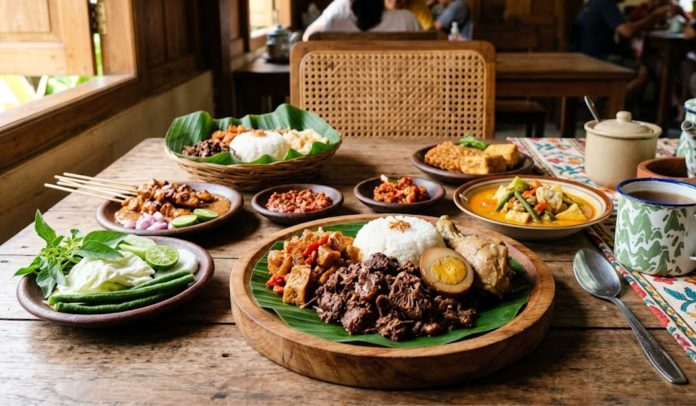

JAKARTA – East Java cuisine is experiencing a major tourism boom in 2026 as travelers across Indonesia increasingly search for authentic local dishes such as rawon, rujak cingur, lontong balap, and sate Madura. Culinary tourism in cities like Surabaya, Banyuwangi, and Lamongan has become one of the country’s fastest-growing travel trends.
Food enthusiasts are no longer focusing only on luxury restaurants or modern cafés. Instead, many tourists are actively exploring traditional food stalls and legendary eateries that preserve recipes passed down for generations. East Java’s culinary identity, known for bold spices and distinctive sauces, is now attracting both domestic and international attention.
Travel content creators and social media influencers have also contributed to the growing popularity of East Java cuisine. Viral videos showcasing steaming bowls of rawon, smoky sate Madura grills, and colorful rujak cingur preparations have generated millions of views online, encouraging more visitors to explore the region’s culinary scene firsthand.
Traditional Recipes Become the Main Attraction for Tourists
One of the strongest culinary icons from East Java is rawon, a black beef soup made using keluwek nuts that create its signature dark broth. The dish is commonly served with rice, salted eggs, crackers, and bean sprouts. Culinary historians consider rawon one of Indonesia’s oldest surviving traditional soups.
In Surabaya, rujak cingur continues to stand out because of its unusual but iconic combination of fruits, vegetables, lontong, and boiled beef snout mixed with thick petis sauce. The dish represents the bold flavor profile that defines East Java cooking traditions.
Another favorite among tourists is lontong balap, a comforting dish made from rice cakes, tofu, bean sprouts, lento cakes, and sweet savory broth. The meal is especially popular as a breakfast or lunch option in Surabaya and Sidoarjo.
Street food culture also remains deeply rooted across East Java. Vendors selling tahu tek, for example, can still be heard knocking their pans rhythmically while preparing orders. The famous dish combines fried tofu, rice cakes, bean sprouts, peanut sauce, and shrimp crackers into a filling and affordable meal loved by locals.
Meanwhile, Madura continues to strengthen its reputation through sate Madura, grilled meat skewers coated with rich peanut sauce and cooked over charcoal. The dish has become one of Indonesia’s most internationally recognized street foods.
Regional Specialties Reflect East Java’s Rich Cultural Diversity
Each region in East Java offers culinary specialties shaped by local traditions and ingredients. Banyuwangi is famous for nasi tempong, a spicy rice dish served with vegetables, fried side dishes, and fiery sambal that locals describe as “shocking” because of its intense heat.
Banyuwangi is also home to rujak soto, one of Indonesia’s most unique culinary combinations. The dish blends vegetable rujak with savory soup broth, creating a flavor rarely found in other parts of the country.
Lamongan contributes popular dishes such as soto Lamongan and tahu campur. Soto Lamongan is known for its rich yellow broth topped with koya, a savory powder made from crackers and garlic. Tahu campur combines beef, noodles, tofu, cassava cakes, and broth into a hearty meal often enjoyed during cooler evenings.
Gresik’s nasi krawu has also gained popularity among culinary travelers. Traditionally wrapped or served on banana leaves, the dish includes shredded beef, coconut serundeng, and spicy sambal. The meal is typically eaten by hand, reflecting traditional Javanese dining customs.
In rural areas, unique dishes like semanggi Surabaya continue to survive despite the rise of modern fast food. Made with clover leaves and peanut sauce mixed with sweet potato, the dish showcases the agricultural roots of East Java cuisine.
Culinary Tourism Creates New Economic Opportunities
Tourism observers believe culinary travel is helping preserve traditional food businesses across East Java. Small family-owned restaurants, roadside stalls, and night food markets are benefiting from increased visitor demand.
Local governments and tourism communities have also started promoting culinary festivals and food tours to introduce regional dishes to younger generations. These efforts aim to ensure traditional recipes remain relevant in modern Indonesian society.
Bakwan Malang, another East Java specialty, continues to attract visitors searching for authentic comfort food. The meatball dish features a higher ratio of beef compared to ordinary bakso and is commonly served with fried wontons and clear broth.
As Indonesia’s tourism industry continues recovering and expanding in 2026, East Java cuisine has emerged as more than just food. For many travelers, it represents cultural heritage, local identity, and authentic experiences that cannot easily be replicated elsewhere.