
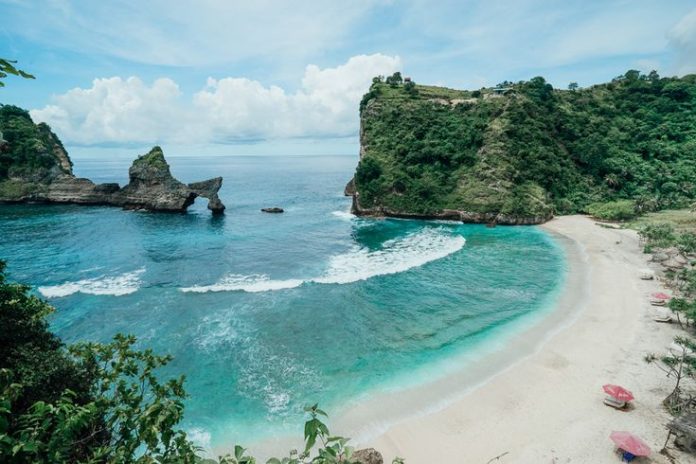

JAKARTA – Indonesia tourism destinations are drawing unprecedented global attention as travelers increasingly seek nature-rich and culturally diverse experiences across the archipelago, from Bali’s iconic temples to Raja Ampat’s marine biodiversity, positioning the country as one of the world’s most compelling travel hotspots.
The surge in interest in Indonesia tourism destinations reflects a broader trend in post-pandemic travel, where nature, heritage, and authenticity are key drivers. With more than 17,000 islands, Indonesia offers a wide spectrum of attractions, many of which are already internationally recognized.
From UNESCO-listed cultural landmarks to world-class diving sites, the diversity of Indonesia tourism destinations continues to attract both domestic and international visitors seeking unique and immersive experiences.
Diverse Attractions Across the Archipelago
Indonesia’s tourism appeal lies in its extraordinary geographical and cultural range. Among its most iconic sites is Pura Agung Besakih in Bali, regarded as the island’s largest and holiest temple. Built in the 10th century on the slopes of Mount Agung, the temple complex stands at approximately 915 meters above sea level and serves as the spiritual center of Hindu Dharma in Bali.
Equally prominent are the Derawan Islands in East Kalimantan, known for their pristine marine ecosystems. The area has been described as a “pristine island” destination since 2005, when the government proposed it for UNESCO World Heritage status. Visitors are drawn to its white sand beaches and crystal-clear waters, as well as its appeal among world-class divers.
In Java, Bromo Tengger Semeru National Park remains one of the most visited natural attractions. The park spans multiple regencies and features Mount Semeru, the highest peak on the island at 3,676 meters. The area is home to more than 1,000 plant species, including 158 types of orchids, with at least 40 considered rare.
Rich Natural and Cultural Heritage
Indonesia tourism destinations are also defined by their ecological and cultural significance. Way Kambas National Park in Lampung, designated as the 36th ASEAN Heritage Park in 2016, covers approximately 1,300 square kilometers and is home to around 200 Sumatran elephants.
Further west, Lake Toba stands out as Southeast Asia’s largest volcanic lake, covering roughly 1,145 square kilometers with depths reaching 450 meters. At its center lies Samosir Island, nearly the size of Singapore, making it one of the most unique inland tourism experiences in the region.
Marine biodiversity is another cornerstone of Indonesia’s global appeal. Bunaken Marine Park in North Sulawesi boasts 13 coral reef types and 91 species of fish, with diving depths reaching 50 meters. Meanwhile, Wakatobi National Park spans 13,900 square kilometers and hosts more than 112 coral species, reinforcing its reputation as a world-class diving destination.
Raja Ampat, often considered the crown jewel of Indonesia tourism destinations, covers 4.6 million hectares and contains approximately 75% of the world’s marine species, according to reports by The Nature Conservancy and Conservation International.
Global Recognition and Growing Impact
The international profile of Indonesia tourism destinations continues to rise, driven by unique features such as the “blue fire” phenomenon at Mount Ijen—one of only two locations globally where the rare natural occurrence can be observed, alongside Iceland.
Similarly, Komodo Island in East Nusa Tenggara attracts global visitors eager to see the Komodo dragon in its natural habitat. The island is also home to Pink Beach, one of only seven pink sand beaches in the world, further boosting its global appeal.
Cultural heritage remains equally significant. Borobudur Temple, the world’s largest Buddhist monument, spans 123 by 123 meters and features 504 Buddha statues and 2,672 relief panels. Built during the Mataram Kingdom, it continues to attract millions of visitors annually.
In South Sulawesi, Tana Toraja offers a unique cultural experience through its traditional Tongkonan houses and the Rambu Solo funeral ritual, typically held between July and August. The region’s preserved traditions have made it a focal point for cultural tourism.
Closing Perspective
As Indonesia tourism destinations continue to gain global traction, the country’s blend of natural beauty, biodiversity, and cultural heritage positions it as a leading player in international tourism. With iconic sites spanning mountains, oceans, and ancient temples, Indonesia offers experiences that are both diverse and deeply rooted in identity—ensuring its place on global travel itineraries for years to come.