
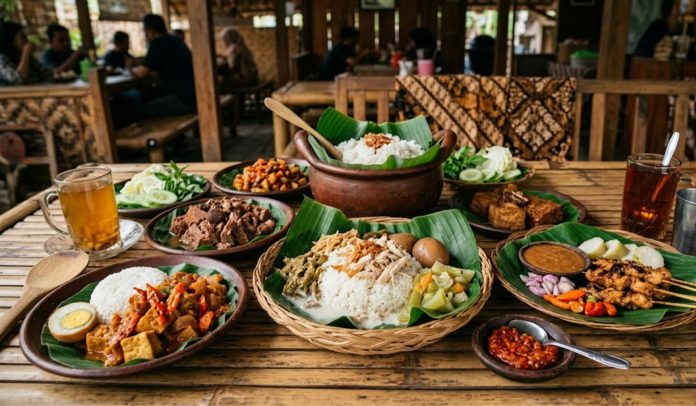

JAKARTA – East Java traditional food is gaining renewed attention among domestic and international travelers as culinary tourism in Indonesia continues to surge in 2026. From Surabaya’s iconic rawon and rujak cingur to Banyuwangi’s unique rujak soto, the province offers a rich variety of authentic dishes that combine bold spices, local heritage, and generations-old cooking traditions.
The growing popularity of East Java traditional food has also been driven by social media exposure and food travel content highlighting authentic regional cuisine. Travelers visiting cities such as Surabaya, Sidoarjo, Lamongan, Banyuwangi, and Madura are increasingly searching for local dishes that represent the identity of each region.
Culinary experts say East Java’s food culture stands out because of its distinctive use of petis, fermented shrimp paste, strong spices, and unique combinations of savory, sweet, and spicy flavors. Many of these dishes are still prepared using traditional recipes passed down within families and local communities.
Legendary Dishes Continue to Define East Java’s Culinary Identity
Among the most recognizable dishes is rawon, a dark beef soup famous for its black broth made from keluwek nuts. The dish is commonly served with salted eggs, crackers, fried tempeh, and rice. Rawon has become one of Indonesia’s most iconic regional foods because of its deep earthy flavor and aromatic spices.
Another widely recognized specialty is rujak cingur, a traditional salad-like dish made with fruits, vegetables, lontong, and slices of boiled beef snout mixed with petis-based sauce. The combination creates a unique flavor profile rarely found outside East Java.
Surabaya and Sidoarjo are also known for lontong balap and lontong kupang. Lontong balap combines rice cakes, bean sprouts, fried tofu, lento cakes, and sweet soy sauce in a light savory broth. Meanwhile, lontong kupang features tiny shellfish served with petis sauce, garlic, and lime juice, delivering a fresh seafood taste unique to coastal East Java.
Street food culture remains a major attraction across the province. Tahu tek, for example, is traditionally sold by traveling vendors who strike metal pans while preparing the dish, creating the distinctive “tek tek” sound that inspired its name. The dish combines fried tofu, lontong, bean sprouts, peanut sauce, and shrimp crackers.
Regional Diversity Creates a Unique Culinary Landscape
Food observers note that each city in East Java has developed its own culinary signature over decades. Madura is internationally known for sate Madura, grilled skewered meat coated with thick peanut sauce and cooked over charcoal fire.
Lamongan contributes dishes such as soto Lamongan and tahu campur. Soto Lamongan is especially popular for its rich yellow broth and koya topping made from crushed crackers and garlic. Tahu campur blends beef, tofu, noodles, bean sprouts, cassava fritters, and savory broth into a hearty traditional meal.
In Gresik, nasi krawu remains a staple local dish. Traditionally served on banana leaves, the rice meal includes shredded beef, spicy sambal, and coconut serundeng. The name “krawu” comes from the Javanese tradition of eating the dish by hand.
Meanwhile, Banyuwangi offers some of East Java’s most unusual culinary experiences. Rujak soto combines vegetable rujak with traditional soto broth, creating a fusion of spicy peanut sauce and savory soup. Nasi tempong, another Banyuwangi favorite, features boiled vegetables, fried side dishes, and extremely spicy sambal known for its intense flavor.
Traditional drinks also remain part of the culinary appeal. Dawet and local herbal beverages are often served alongside heavy meals to balance the spicy and savory flavors that dominate East Java cuisine.
Culinary Tourism Strengthens Local Economy and Cultural Preservation
Local culinary businesses and traditional food vendors continue to benefit from the rising interest in Indonesian food tourism. Many small restaurants and street vendors have become viral destinations through travel videos and online recommendations.
Food researchers believe East Java cuisine reflects the province’s agricultural and coastal resources. Ingredients such as freshwater fish, shellfish, beef, peanuts, cassava, and local herbs are heavily integrated into daily cooking traditions.
Several dishes also highlight the region’s cultural diversity. Semanggi Surabaya, for instance, uses clover leaves commonly found in rice fields and is served with sweet potato-based peanut sauce, showcasing the creativity of traditional rural cuisine.
Bakwan Malang has also maintained popularity among tourists seeking comforting street food. Unlike ordinary meatballs, Bakwan Malang contains a higher proportion of beef and is served with fried wontons and clear broth.
As culinary tourism becomes one of Indonesia’s fastest-growing travel sectors, East Java traditional food continues to attract visitors looking for authentic local experiences beyond mainstream tourist attractions. From humble roadside stalls to legendary family-run eateries, the province’s culinary heritage remains one of the strongest symbols of Indonesian food culture.