
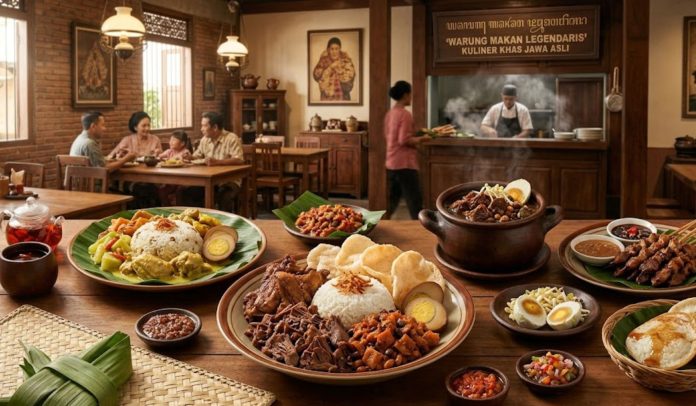

JAKARTA – Best Solo culinary destinations are becoming one of Indonesia’s biggest travel trends in 2026 as tourists increasingly search for authentic Javanese food experiences. From traditional rice dishes to legendary street snacks, the city of Solo continues attracting visitors with culinary traditions that have survived for generations and remain deeply connected to local culture.
Traditional Food Experiences Continue Driving Tourism in Solo
Located in Central Java, Solo has built a reputation as one of Indonesia’s most important culinary cities. Travelers visiting the region are not only looking for historical landmarks and cultural attractions but also searching for authentic local food that reflects the city’s identity.
One of the dishes most associated with Solo is nasi liwet, a savory rice meal cooked using coconut milk and served with chicken opor, boiled eggs, and spicy sambal. The dish has remained popular for decades, particularly at legendary eateries such as Warung Nasi Liwet Bu Wongso Lemu, which continues operating using traditional cooking methods.
Street food culture also remains a major attraction in Solo. Serabi Solo, a sweet pancake made from rice flour and coconut milk, continues drawing visitors eager to experience one of the city’s most recognizable snacks. Vendors at Serabi Notosuman still prepare the cakes manually, allowing tourists to watch the cooking process directly.
Tourism observers say the authenticity of Solo’s culinary scene has become increasingly valuable at a time when many travelers prefer local experiences over commercial tourism. The combination of traditional recipes, affordable prices, and nostalgic atmosphere has strengthened Solo’s reputation among domestic tourists.
Legendary Restaurants Preserve Historic Javanese Recipes
Several iconic dishes in Solo reflect the city’s long culinary history and outside cultural influences. Selat Solo, often described as a fusion between European and Javanese cuisine, remains one of the city’s signature dishes. The meal features tender beef, vegetables, potatoes, and sweet brown gravy served in a style inspired by colonial-era dining traditions.
Restaurants such as Kusuma Sari continue attracting families and tourists looking for a classic dining experience. The restaurant’s traditional interior and old-style presentation have made it one of Solo’s most recognizable culinary destinations.
Another dish gaining renewed popularity is gudeg ceker, a savory jackfruit stew served with tender chicken feet cooked slowly in coconut spices. Unlike the sweeter version commonly associated with Yogyakarta, Solo’s gudeg is known for its richer and saltier flavor profile.
Night culinary tourism has also grown significantly around areas such as Margoyudan, where long lines of customers regularly wait for late-night gudeg ceker stalls to open.
Goat-based dishes remain equally important in Solo’s food culture. Sate buntel, made from minced goat meat wrapped in fat before grilling, continues becoming a favorite among meat lovers. Meanwhile, tengkleng, a soup dish prepared using goat bones and aromatic spices, has maintained strong popularity among both locals and tourists.
Food tourism communities believe these traditional dishes have become symbols of Solo’s cultural preservation efforts. Many vendors still rely on family recipes passed down for generations, helping maintain the authenticity that visitors continue seeking.
Culinary Tourism Expands With Traditional Snacks and Drinks
In addition to heavy meals, Solo’s smaller traditional snacks and beverages are also gaining attention from travelers exploring local markets and street food areas.
Cabuk rambak, a traditional rice cake dish served with sesame sauce and crackers, remains difficult to find outside Solo. The snack is commonly sold in traditional markets and is often recommended for travelers wanting to experience older forms of Javanese cuisine.
Another iconic refreshment is dawet telasih, a sweet iced drink made using coconut milk, palm sugar syrup, basil seeds, and cendol. The beverage is widely consumed during hot afternoons and has become a popular complement to Solo’s savory dishes.
Health-focused travelers are also increasingly interested in pecel ndeso, a vegetable dish featuring cassava leaves, peanut sauce, and fried tempeh. Culinary experts note that the dish reflects the simplicity and balance traditionally found in rural Javanese food culture.
The growing popularity of food-focused travel content on social media platforms has also contributed to Solo’s culinary boom. Many younger tourists now prioritize viral food experiences while still searching for authentic local flavors.
Local tourism groups continue encouraging visitors to support small family-run stalls and traditional markets, arguing that these businesses are essential for preserving Solo’s culinary heritage.
As Indonesia’s culinary tourism industry continues expanding in 2026, Solo remains one of the strongest examples of how traditional food can become both a cultural identity and a major tourism driver.