
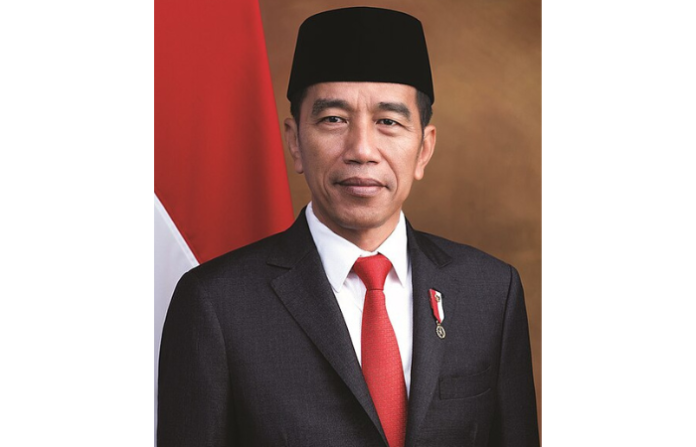

RADAR TULUNGAGUNG – The story of Joko Widodo, widely known as Jokowi, remains one of the most compelling political journeys in Indonesia. From a modest upbringing to becoming the country’s leader, the Joko Widodo biography highlights resilience, ambition, and transformative leadership.
Born on June 21, 1961, in Surakarta, Jokowi came from a humble family. His father worked as a wood trader, while his mother was a homemaker. The Joko Widodo biography reveals that his early life was marked by hardship, including multiple evictions from their riverside home. Despite these challenges, his childhood was filled with simple joys and a strong sense of responsibility.
The Joko Widodo biography also notes that from a young age, he helped support his family. He took on small jobs, from selling goods to working as a porter. This early exposure to hardship shaped his work ethic and grounded personality.
Early Life and Education
Jokowi’s educational journey began in public schools before he pursued higher education at Gadjah Mada University, majoring in forestry with a focus on wood technology. His academic path aligned closely with his family’s background in the timber industry.
During his university years, Jokowi lived frugally, often moving between rented rooms to save money. His perseverance paid off when he graduated in 1985. Shortly after, he married Iriana in a simple ceremony that reflected his modest lifestyle.
Building a Business Empire
After a brief stint working in Aceh, Jokowi returned to Solo and started his own furniture business. The Joko Widodo biography highlights how he built his company from scratch, even risking his family’s assets as collateral.
Despite facing setbacks, including fraud and financial struggles, Jokowi’s persistence eventually turned his business into a successful export-oriented enterprise. His products reached international markets, and he built a strong network of global clients.
This success not only improved his economic standing but also broadened his perspective. Exposure to cities in Europe inspired his vision for urban development, which later influenced his political career.
Entry Into Politics
Jokowi entered politics in 2005 when he ran for mayor of Surakarta. Supported by the Indonesian Democratic Party of Struggle (PDIP), led by Megawati Soekarnoputri, he won the election with a simple yet effective campaign.
As mayor, Jokowi introduced significant reforms. He revitalized traditional markets, improved public services, and promoted Solo as a cultural tourism hub. His leadership style, often described as “blusukan” or direct engagement with citizens, earned widespread praise.
His success in Solo led to a landslide re-election in 2010, with over 90 percent of the vote.
Rise to National Leadership
In 2012, Jokowi was elected Governor of Jakarta, partnering with Basuki Tjahaja Purnama. During his tenure, he introduced programs such as healthcare and education cards, initiated the MRT project, and worked on flood mitigation.
His growing popularity paved the way for his presidential bid in 2014. Running alongside Jusuf Kalla, Jokowi won the election, marking a historic moment as the first Indonesian president from a non-elite background.
He secured a second term in 2019 with Ma’ruf Amin as his running mate.
Achievements and Controversies
As president, Jokowi focused heavily on infrastructure development. His administration built thousands of kilometers of toll roads, new airports, ports, and launched major projects like the Jakarta-Bandung high-speed rail.
He also introduced social welfare programs, including health and education assistance for low-income citizens. His leadership during the COVID-19 pandemic, including vaccination efforts and economic recovery measures, received mixed but notable attention.
However, the Joko Widodo biography is not without controversy. Policies such as the Omnibus Law, fuel price increases, and the relocation of Indonesia’s capital sparked public debate. Criticism also emerged over political dynasty issues and governance decisions.
Legacy and Public Image
Despite controversies, Jokowi remains known for his humble demeanor and approachable leadership style. International media even dubbed him “the Obama of Jakarta” and “Mr. Fix” for his reform-oriented approach.
After completing his presidency in October 2024, Jokowi expressed his intention to return to Solo as a private citizen. Yet, his continued involvement in national projects suggests his influence in Indonesian politics is far from over.
The Joko Widodo biography ultimately reflects a leader shaped by struggle, driven by vision, and defined by both achievements and challenges in reshaping Indonesia.