
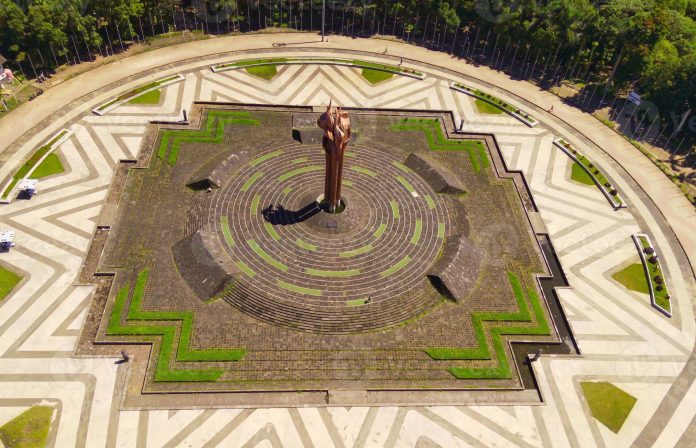

RADAR TULUNGAGUNG – The story of the Bandung Sea of Fire remains one of the most dramatic and emotional chapters in Indonesia’s fight to defend its independence. This historic event not only reflects military resistance but also the extraordinary sacrifice of civilians who chose to burn their own homes rather than let them fall back into colonial hands.
The Bandung Sea of Fire began in the turbulent months following Indonesia’s independence proclamation on August 17, 1945. Despite the declaration, the situation on the ground remained unstable. Allied forces, led by the British under the Southeast Asia Command, arrived in Indonesia with the official mission of disarming Japanese troops and freeing prisoners of war. However, their arrival was soon followed by the Dutch administration, which aimed to reestablish colonial control.
Rising Tension in Bandung
The arrival of Allied troops in Bandung in October 1945 initially appeared neutral. However, tensions quickly escalated as Dutch-backed forces began provoking Indonesian fighters and civilians. Armed clashes became inevitable, especially after former Dutch prisoners were rearmed and began asserting control.
Conflict intensified when Indonesian forces attacked key Allied positions, including strategic hotels used as headquarters. In response, the British issued an ultimatum on November 27, 1945, demanding that Bandung be divided into northern and southern zones. The northern part would be controlled by the Allies, while Indonesians were ordered to evacuate to the south.
Indonesian fighters rejected the ultimatum. Skirmishes continued for months, including guerrilla attacks and economic resistance such as boycotts against Allied-controlled areas. One of the most notable battles occurred in Battle of Bojong Kokosan, where Indonesian fighters successfully ambushed a British convoy, dealing a significant blow to Allied morale.
The Second Ultimatum and a Crucial Decision
On March 23, 1946, the British issued a second ultimatum, ordering all Indonesian forces and civilians to evacuate southern Bandung within a limited timeframe. The threat was clear: failure to comply would result in a full-scale bombardment.
Indonesia’s Prime Minister Sutan Sjahrir urged compliance to avoid further casualties, while military leaders faced a difficult dilemma. Among them was Abdul Haris Nasution, who had to balance diplomatic orders with the spirit of resistance encouraged by Sudirman.
During a critical meeting, a bold strategy emerged: comply with the evacuation order, but destroy the city before leaving. The goal was simple, deny the enemy any strategic advantage.
The Night Bandung Burned
On March 24, 1946, thousands of Bandung residents began evacuating the city. Families carried whatever they could, leaving behind homes and livelihoods built over generations. As night fell, Indonesian fighters and civilians carried out the scorched-earth strategy.
Buildings, homes, and key infrastructure were deliberately set ablaze. Within hours, the city was engulfed in flames, turning Bandung into a massive sea of fire. The sky glowed red, marking one of the most symbolic acts of resistance in Indonesian history.
Amid the chaos, a powerful chant echoed among evacuees: “Even if Bandung becomes a sea of fire, we will reclaim it.” This phrase later inspired the iconic patriotic song “Halo-Halo Bandung,” widely associated with composer Ismail Marzuki, although debates about its true origin persist.
Heroism and Sacrifice
The struggle did not end with the burning of the city. Indonesian fighters continued to resist Allied forces. One of the most heroic acts came from Mohammad Toha, a young fighter who led a mission to destroy an Allied ammunition depot.
Despite overwhelming danger, Toha and his साथी succeeded in detonating the warehouse, crippling enemy supplies. The explosion was so powerful it was reportedly heard from miles away. However, the mission cost them their lives, marking a profound sacrifice in the struggle for independence.
A Legacy of Resistance
The Bandung Sea of Fire stands as a testament to the determination of the Indonesian people. It was not merely a military tactic but a powerful symbol of defiance and unity. The willingness of civilians to sacrifice everything demonstrated that independence was not negotiable.
Today, the event is remembered as a defining moment in Indonesia’s history, a reminder that freedom often comes at a great cost. The flames that consumed Bandung in 1946 continue to illuminate the spirit of resistance and patriotism for future generations.