

RADAR TULUNGAGUNG – Tulungagung poverty rate has dropped to 5.96% after one year under Regent Gatut Sunu Wibowo and Deputy Regent Ahmad Baharudin, according to regional development data.
Officials in Tulungagung reported improvements across several macro development indicators. Regional competitiveness rose to 3.64 over the past five years, supported by faster public service digitalization and stable provincial economic conditions in East Java.
Infrastructure satisfaction also increased to 78.68, reflecting public perception of better roads, bridges, and basic facilities. Meanwhile, the Human Development Index reached 75.88. However, the Community Development Index remained stagnant, highlighting the need for stronger social empowerment programs.
The decline in poverty marks a major milestone. The rate stood at 7.33% five years ago before falling to 5.96% in 2025. Officials attribute the drop to sustained social protection and community economic empowerment programs.
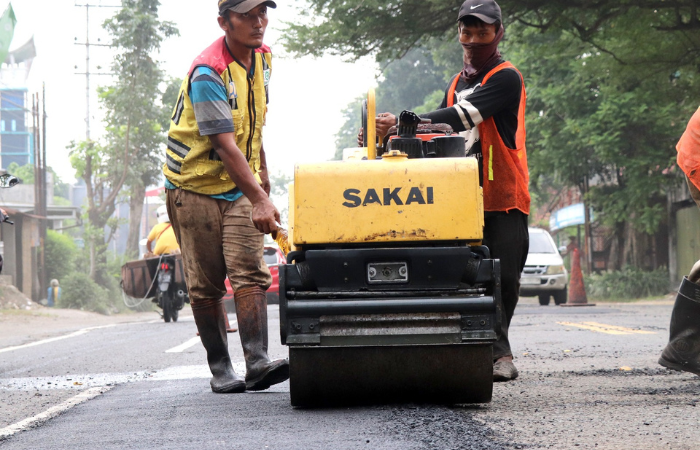
Johanes Bagus Kuncoro, head of the regional planning agency Bappeda Tulungagung, said priority programs drove the gains. In 2025, authorities repaired 34,497 meters of roads and built nine bridges to improve connectivity and regional growth.
The government also expanded basic services such as water resources, drinking water, and sanitation. Housing upgrades, climate village initiatives, and accelerated stunting reduction programs continued. Stunting prevalence reached 5.12% in 2025 monitoring data.
Support for the national free nutritious meal program expanded through 95 nutrition service units across 18 districts. The initiative has served 212,425 beneficiaries so far.
Additional social measures included PRAKARSA, cash transfers for extremely vulnerable households, disability assistance, and rural infrastructure labor programs. Authorities also organized job fairs and youth entrepreneurship schools to widen employment access and create new businesses.
Education investment covered construction and renovation of 94 school buildings, including 76 primary and 18 junior secondary schools. The health sector also strengthened basic and referral service facilities.
To maintain food stability, the government held subsidized food markets in 19 districts and distributed food reserves to vulnerable villages. Meanwhile, village economic strengthening programs issued legal status to 257 villages and 14 urban wards.
The real sector also gained momentum. Small business bazaars during car-free-day events generated hundreds of millions of rupiah in sales within three hours. Authorities distributed farm machinery, built production roads, improved fish farming facilities, rehabilitated markets, and upgraded tourism infrastructure to boost local revenue.
The Tulungagung administration has received multiple provincial and national awards for these achievements. However, officials acknowledge remaining challenges, especially the stagnant community development index.
Entering the second year, the Gatut-Baharudin administration plans a consolidation phase to ensure more inclusive and evenly distributed development across Tulungagung.