
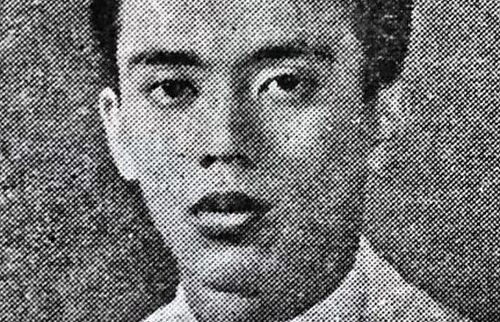

RADAR TULUNGAGUNG – Supriadi mystery remains one of the most enduring unanswered questions in Indonesian history. Known as the young commander who led the PETA revolt against Japanese forces in Blitar on February 14, 1945, Supriadi disappeared shortly after the uprising, leaving behind a legacy of resistance and decades of speculation about his fate.
More than eight decades later, historians still debate what happened to the revolutionary figure. While his role in inspiring anti-colonial resistance is widely acknowledged, no definitive evidence has ever emerged to explain whether he died during the conflict, was captured by Japanese authorities, or survived under a different identity.
The unresolved nature of the Supriadi mystery has transformed him from a wartime commander into a legendary figure whose story continues to fascinate Indonesians and researchers alike.
The Young Officer Who Challenged Japanese Rule
Supriadi was born on April 13, 1923, in Trenggalek, East Java, into a Javanese aristocratic family. During the Japanese occupation of Indonesia, he joined PETA (Pembela Tanah Air), a military force established by Japan in 1943 to recruit Indonesian personnel for local defense.
After completing military training, Supriadi was assigned to Blitar, where he witnessed the harsh realities of Japanese rule. Accounts from the period describe widespread suffering among romusha, or forced laborers, as well as discrimination and mistreatment directed at Indonesian personnel serving under Japanese command.
These experiences reportedly fueled his opposition to the occupation. By mid-1944, Supriadi and several fellow officers began secretly organizing a rebellion. Their plan culminated in the early hours of February 14, 1945, when PETA troops in Blitar launched an armed uprising against Japanese forces.
The revolt briefly disrupted Japanese control in the area. However, Japanese authorities responded quickly by deploying military and Kempeitai units, supported by PETA formations that remained loyal to the occupation administration. Within days, the rebellion was suppressed, numerous participants were arrested, and several were later executed.
The Disappearance That Sparked Decades of Speculation
What happened next remains unclear.
Historical records confirm that Supriadi escaped immediate capture during the collapse of the rebellion. However, no verified documentation exists regarding his subsequent whereabouts, arrest, or death.
Various theories emerged over the years. Some accounts suggested he was killed while attempting to flee. Others claimed he was captured and executed by Japanese authorities. Additional testimonies alleged that local residents helped him hide before he disappeared permanently.
The absence of official records encouraged persistent speculation after Indonesia gained independence in 1945. Several individuals later claimed to be Supriadi or asserted knowledge of his fate.
One of the most publicized cases involved Andaryoko Wisnu Prabu, a traditional healer from Semarang who, in 2008, claimed to be the missing revolutionary leader. His story attracted widespread media attention and prompted discussions among historians and local officials.
Yet investigators, family members, and former PETA veterans raised serious doubts about his account. Researchers pointed to inconsistencies involving his age, personal history, and other biographical details. As a result, his claim failed to gain broad acceptance among scholars.
Similar assertions surfaced periodically, including another claim made in 2018 by an elderly man from Jember. Like earlier cases, the story was rejected by Supriadi’s relatives and lacked supporting evidence.
National Hero Status Despite an Unsolved Fate
Although the Supriadi mystery remains unresolved, his place in Indonesian history is firmly established.
The Blitar revolt is widely regarded as one of the most significant acts of armed resistance against Japanese occupation before Indonesia’s independence. While militarily unsuccessful, the uprising demonstrated growing nationalist sentiment and highlighted increasing dissatisfaction with Japanese rule.
After independence, Supriadi was initially appointed Minister of Public Security in Indonesia’s first cabinet. However, because he never appeared, he was unable to assume the position. The role was eventually filled by others as the new republic consolidated its institutions.
In 1975, the Indonesian government officially designated Supriadi a National Hero. Monuments, statues, and roads bearing his name continue to commemorate his contribution to the struggle for independence.
The enduring mystery surrounding his disappearance has only strengthened public interest in his story. Historians may continue searching for answers, but for many Indonesians, Supriadi represents something larger than an unsolved case, a symbol of courage, sacrifice, and resistance during one of the nation’s most turbulent periods.
His final fate remains unknown, yet his role in shaping Indonesia’s journey toward independence remains beyond dispute.