
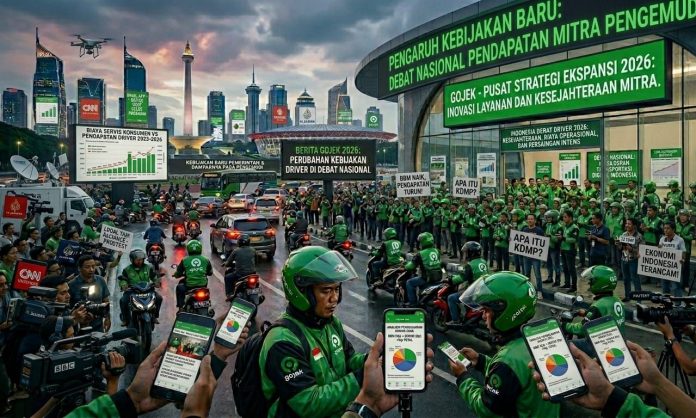

Jakarta — Indonesia’s digital transportation sector is once again under public spotlight following discussions surrounding the new Gojek policies 2026, which are expected to influence driver earnings, consumer pricing, and competition in the online service industry.
The new Gojek policies 2026 quickly became a trending topic after reports suggested possible operational adjustments and platform strategy changes from Gojek. Drivers, consumers, and market analysts are closely monitoring the developments as the company continues expanding its digital ecosystem.
Industry observers say Indonesia’s ride-hailing market is entering a more competitive phase as companies race to improve efficiency and profitability. Digital platforms are increasingly focusing on integrated services, including transportation, food delivery, logistics, and financial technology.
Many drivers have expressed concerns regarding incentive structures and operational expenses amid rising fuel costs and tougher market conditions. Some driver communities are calling for clearer communication regarding future platform policies and commission systems.
Transportation analysts warn that balancing driver welfare and business sustainability remains a major challenge for app-based transportation companies. Maintaining stable earnings for drivers while keeping prices affordable for consumers is becoming increasingly difficult.
Consumers, meanwhile, continue demanding cheaper rides, faster deliveries, and better application performance. Competition among digital platforms has encouraged companies to invest more heavily in artificial intelligence and customer experience technology.
Economic experts believe Indonesia’s online transportation sector still has strong growth potential due to increasing smartphone usage and expanding digital payment adoption. The country remains one of Southeast Asia’s largest markets for app-based mobility services.
Public discussions surrounding the latest Gojek developments have also highlighted broader concerns regarding gig economy workers and labor protections. Several observers are urging regulators to strengthen policies protecting app-based drivers and couriers.
Government officials are reportedly continuing evaluations related to online transportation regulations to ensure fair competition and consumer protection. Policy changes affecting pricing structures and operational standards may emerge throughout 2026.
Meanwhile, technology analysts predict automation and smart logistics systems will become more important in the future of digital transportation. Companies that successfully adapt to changing user behavior are expected to dominate the next phase of Indonesia’s digital economy.
Social media conversations regarding Gojek continue growing rapidly, with users debating everything from service fees and promotions to driver benefits and platform fairness. The issue remains one of the country’s most discussed topics in the technology and transportation sectors.
As competition intensifies and consumer expectations evolve, the new Gojek policies are expected to remain under close public attention throughout 2026.