
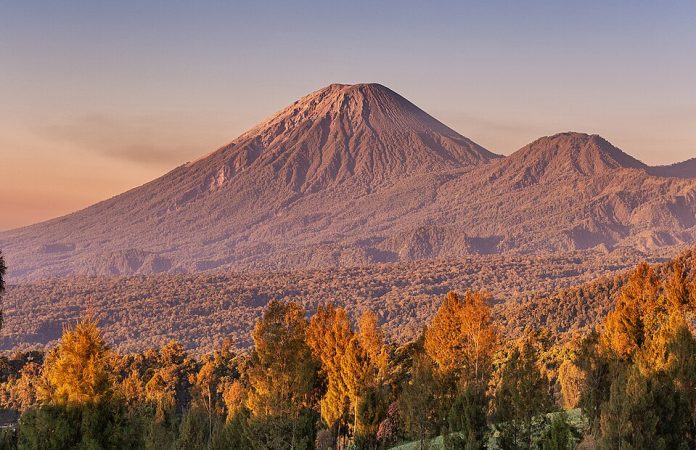

RADAR TULUNGAGUNG – Mount Semeru has long stood as one of Indonesia’s most iconic natural wonders. Rising majestically in East Java, the active volcano attracts climbers, researchers, photographers, and spiritual travelers from around the world. Beyond its breathtaking beauty, Mount Semeru also carries deep cultural meaning, ancient myths, and a powerful geological history that continues to shape the region today.
Known as the highest volcano on Java Island, Mount Semeru reaches more than 3,600 meters above sea level. The mountain, often called Mahameru, derives its name from a Sanskrit word meaning “The Great Mountain.” Located within the famous Bromo Tengger Semeru National Park, the volcano has become a symbol of East Java’s natural heritage and spiritual identity.
Mount Semeru remains one of Indonesia’s most active volcanoes. Historical records show eruptions dating back to the 16th century, while modern volcanic activity continues to produce ash clouds and lava flows that regularly remind residents of nature’s unpredictable force. Despite the risks, the fertile volcanic soil surrounding the mountain supports agriculture and local livelihoods.
The Sacred Meaning Behind Mount Semeru
For the Tenggerese people living around the mountain, Mount Semeru is far more than a geological landmark. Local communities consider it a sacred place connected to divine power and ancestral beliefs. According to traditional stories, the volcano serves as the dwelling place of the god Mahadeva.
One of the most famous legends surrounding Mount Semeru tells the story of Raden Sokami and Dewi Anjani. The tale describes a forbidden love between a brave prince and a heavenly nymph. After enduring countless obstacles, the couple finally received blessings from the gods, who transformed them into twin volcanoes, Mount Semeru and Mount Bromo, so they could remain together forever.
The Tenggerese people believe the smoke rising from the volcano symbolizes eternal love between the two mountains. This mythology remains alive through ceremonies, oral traditions, and cultural festivals held throughout the year.
Dangerous Beauty Draws Global Attention
Mount Semeru’s dramatic landscape has made it one of the most visited adventure destinations in Indonesia. Trekkers often challenge themselves to reach the summit, facing steep trails, volcanic sand, and rapidly changing weather conditions.
The reward comes at sunrise, when climbers witness panoramic views stretching across East Java’s volcanic landscape. This unforgettable scenery has turned Mount Semeru into a favorite destination for photographers and nature enthusiasts seeking extraordinary experiences.
Scientists and researchers also continue to study the volcano closely. The mountain provides valuable insight into volcanic systems, tectonic movement, and ecological adaptation in extreme environments. Indonesian authorities actively monitor volcanic activity to reduce risks for nearby communities and tourists.
At the same time, eruptions occasionally force evacuations and disrupt daily life around the mountain. Residents living near Mount Semeru have learned to coexist with the volcano’s unpredictable behavior while maintaining deep respect for nature.
Rich Ecosystem Beneath the Volcano
The environment surrounding Mount Semeru supports remarkable biodiversity. Forests within Bromo Tengger Semeru National Park contain rare orchids, medicinal plants, and various endemic species.
Wildlife in the region includes Javan langurs, barking deer, and numerous bird species that thrive within the volcanic ecosystem. Researchers consider the area an important natural laboratory for studying how ecosystems evolve around active volcanoes.
However, conservationists warn that illegal logging and land encroachment threaten the mountain’s fragile ecosystem. Authorities and environmental groups continue promoting sustainable tourism and conservation programs aimed at protecting biodiversity while supporting local communities.
Tourism and Cultural Heritage Continue to Grow
Tourism has become a major source of income for residents near Mount Semeru. Local guides, homestays, transportation services, and cultural attractions all benefit from increasing visitor numbers each year.
Community-based ecotourism programs now encourage travelers to experience the mountain responsibly while respecting Tenggerese traditions and environmental sustainability. Educational campaigns also promote awareness about volcanic hazards and conservation efforts.
Mount Semeru’s influence extends beyond tourism and science. Its towering silhouette has inspired paintings, literature, documentaries, and traditional performances across Indonesia. The volcano represents strength, resilience, and the enduring relationship between humans and nature.
Even today, the sound of eruptions and the sight of volcanic smoke continue to fascinate visitors. Mount Semeru remains both beautiful and dangerous, reminding humanity of Earth’s ever-changing power.
As travelers gaze upon the smoking peak of Mount Semeru, they become part of a living story shaped by myth, science, culture, and survival. The legendary volcano continues to define East Java’s identity while inspiring future generations to protect one of Indonesia’s greatest natural treasures.