
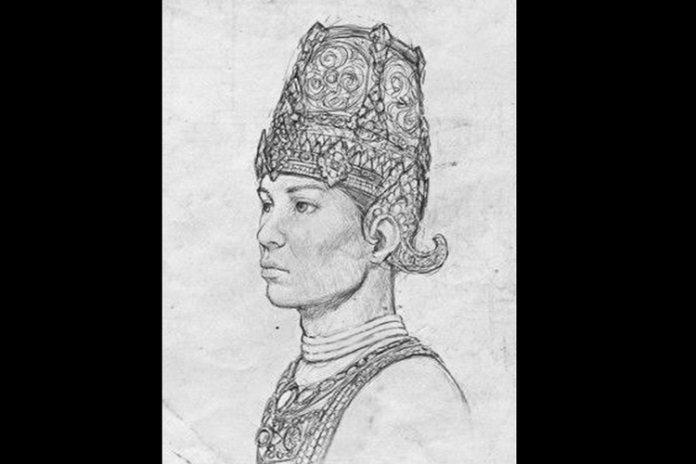

RADAR TULUNGAGUNG – The Jayanegara Majapahit dark history stands as one of the most controversial chapters in the story of Majapahit. Unlike the golden narratives often associated with the empire, Jayanegara’s reign is remembered for internal conflict, rebellion, and widespread dissatisfaction. His leadership not only triggered instability but also shaped how history would judge him centuries later.
As the son of Raden Wijaya, Jayanegara inherited the throne at a young age, but his legitimacy was immediately questioned. Many nobles doubted his right to rule due to his lineage, sparking tension within the royal court. This early resistance soon escalated into open defiance, marking the beginning of a turbulent era in Majapahit history.
The Jayanegara Majapahit dark history is further defined by a series of rebellions and controversial actions that alienated both elites and common people. Ironically, amid the chaos, a new figure began to rise, Gajah Mada, whose role in securing the kingdom would later change the course of Indonesian history.
Early Life and Controversial Ascension
Jayanegara was born in 1294 as the son of Raden Wijaya, the founder of Majapahit, and Dara Petak, a woman from Sumatra. His lineage became a major source of controversy. Unlike other royal heirs descended from noble Javanese queens, Jayanegara was seen by many elites as lacking legitimate royal blood.
After Raden Wijaya’s death in 1309, the young Jayanegara ascended the throne at just 15 years old. His rise immediately triggered internal conflict. Many nobles believed the throne should have gone to a direct descendant of the Singhasari royal line, not to a son of a concubine.
Leadership Marked by Rebellion
The Jayanegara Majapahit dark history is closely tied to a series of rebellions that plagued his reign. His leadership was widely considered weak, and dissatisfaction spread quickly among both elites and common people.
Several major uprisings erupted, including rebellions led by Ranggalawe (1309), Lembu Sora (1311), Nambi (1316), and the most dangerous, Rakuti (1319). These revolts nearly toppled the kingdom and forced Jayanegara to flee the capital.
During the Rakuti rebellion, Jayanegara sought refuge in Bedander village. It was during this crisis that Gajah Mada emerged as a key figure. At the time, he was only a royal guard, but his strategic actions in protecting the king and defeating the rebels marked the beginning of his rise to power.
Personal Behavior and Growing Hatred
Beyond political instability, Jayanegara’s personal behavior worsened his reputation. Historical sources such as Pararaton describe him as cruel and morally questionable. He reportedly had a troubled relationship with his half-sisters, Tribhuwana Tunggadewi and Rajadewi.
One of the most shocking accounts claims that Jayanegara imprisoned his half-sisters to prevent them from marrying. His fear was that their husbands could challenge his authority. There were even rumors suggesting he intended to marry them himself to secure his power, an idea strongly opposed within the royal family.
Additionally, reports from palace officials indicated that Jayanegara often harassed the wives of nobles. These actions further fueled resentment and reinforced the perception that the kingdom was under the rule of an unfit king.
The Assassination That Shook Majapahit
Despite surviving multiple rebellions, Jayanegara’s life ended unexpectedly in 1328, not on the battlefield, but inside his palace. According to historical records, he was suffering from a severe illness and called upon a royal physician named Tanca.
Unbeknownst to the king, Tanca harbored deep resentment. During treatment, he seized the opportunity to assassinate Jayanegara by stabbing him. The king died instantly, shocking the entire court.
Moments later, Gajah Mada killed Tanca, preventing further chaos. However, this event sparked long-standing speculation. Some historians believe Gajah Mada may have orchestrated the assassination, though this remains unproven and widely debated.
Legacy of a Controversial King
Jayanegara’s reign is often remembered as one of the darkest periods in Majapahit history. His leadership failures, moral controversies, and constant rebellions left a negative legacy that persisted for centuries.
Yet ironically, his troubled rule also marked a turning point. The chaos of his era allowed Gajah Mada to rise, eventually becoming one of the most influential figures in Indonesian history.
After Jayanegara’s death, the throne passed to Tribhuwana Tunggadewi, ushering in a new chapter for Majapahit, one that would lead to its golden age.
The Jayanegara Majapahit dark history serves as a reminder that leadership leaves lasting traces, shaping not only the present but also how history remembers a ruler.