
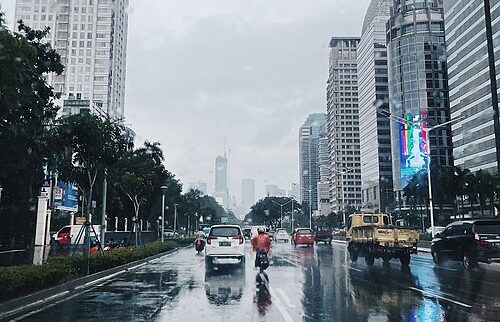

RADAR TULUNGAGUNG – Jakarta transformation 1950-1980 marked one of the most significant urban development periods in Indonesian history, reshaping the capital from a former colonial administrative center into the country’s political, economic, and cultural hub. Rapid infrastructure expansion, population growth, and modernization fundamentally changed the city’s landscape and daily life.
Over three decades following Indonesia’s independence, Jakarta underwent dramatic changes driven by nation-building efforts, economic development programs, and large-scale migration. The city emerged as a symbol of Indonesia’s ambitions, attracting people from across the archipelago while simultaneously facing mounting urban challenges.
Historical records from the period show how Jakarta’s streets, neighborhoods, and business districts evolved alongside the nation itself. From traditional markets and limited transportation networks in the 1950s to skyscrapers and growing traffic congestion by the early 1980s, the capital became a reflection of Indonesia’s modernization journey.
Key Infrastructure Projects Reshaped Jakarta
During the 1950s, Jakarta still retained many characteristics of a post-colonial city. Transportation infrastructure remained limited, with bicycles, becak, buses, and a relatively small number of private vehicles dominating urban mobility. Traditional markets continued to serve as the primary centers of economic activity, while cultural institutions helped strengthen Jakarta’s role as the heart of Indonesia’s national identity.
A major turning point arrived in the early 1960s under the leadership of Indonesia’s first president, Sukarno. His administration launched several landmark projects designed to showcase Indonesia on the international stage.
Among the most prominent developments were the construction of Monumen Nasional (Monas), the expansion of Gelora Bung Karno Stadium, and improvements to major road corridors. These projects became enduring symbols of national pride and Jakarta’s transformation into a modern capital city.
As infrastructure expanded, motorized transportation became increasingly common, gradually changing both the appearance of the city and the lifestyle of its residents.
Economic Growth and Urbanization Accelerated
The 1960s and 1970s witnessed the rapid emergence of Jakarta as Indonesia’s primary business center. New office buildings began appearing along major corridors such as Jalan MH Thamrin and Jalan Jenderal Sudirman, laying the foundation for the city’s modern financial district.
Despite political and economic turbulence during the mid-1960s, development accelerated during the subsequent New Order era. The government invested heavily in roads, housing, and public facilities while encouraging economic growth and industrial expansion.
Urbanization became one of the defining features of the 1970s. Large numbers of migrants moved to Jakarta seeking employment and better economic opportunities. The city’s population expanded rapidly, increasing demand for housing, transportation, and public services.
At the same time, Jakarta’s skyline began to change. High-rise buildings and commercial complexes emerged in areas that would later become the core of the capital’s business district. The city increasingly attracted domestic and foreign investment, reinforcing its position as Indonesia’s economic engine.
Modern Lifestyle Emerged Alongside New Challenges
The social fabric of Jakarta also evolved significantly during this period. Modern shopping centers and commercial areas such as Pasar Baru, Glodok, and Sarinah became popular destinations for residents.
Entertainment venues, cinemas, restaurants, and nightlife establishments expanded as disposable incomes rose and urban lifestyles became more diverse. Yet traditional markets and neighborhood food stalls remained essential parts of daily life, illustrating the coexistence of modernity and tradition.
By the late 1970s and early 1980s, Jakarta had become Indonesia’s largest center for trade, finance, and services. Elevated roads, modern housing developments, and office towers increasingly defined the city’s skyline.
However, rapid growth also created significant problems. Traffic congestion intensified as vehicle ownership increased, while public transportation struggled to keep pace with the city’s expanding population. Social inequality became more visible as economic growth benefited different segments of society unevenly.
Even so, Jakarta continued to represent opportunity and progress for millions of Indonesians. Its transformation reflected broader national efforts to modernize the country and strengthen its economic foundations.
Jakarta’s evolution between 1950 and 1980 remains one of the most important chapters in Indonesia’s urban history. The period established the foundations of the modern metropolis seen today, while also highlighting many of the challenges that continue to shape the capital’s development in the 21st century.