
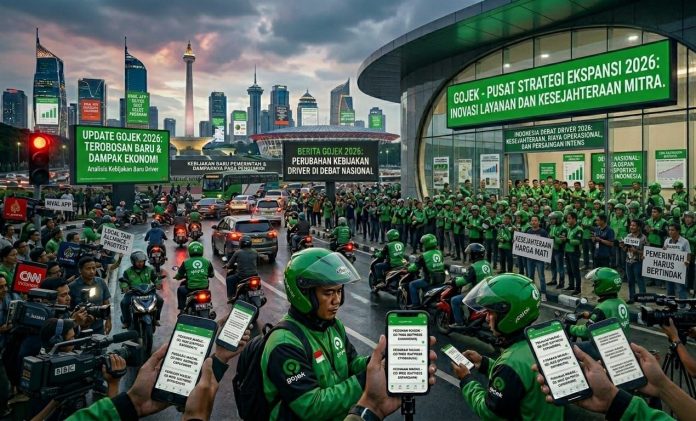

JAKARTA — The rise of the latest Gojek developments 2026 has fueled fresh discussions about the future of Indonesia’s ride-hailing and digital services industry as competition in the sector becomes increasingly intense.
The latest Gojek developments 2026 attracted nationwide attention after reports highlighted possible business adjustments, service innovations, and operational changes affecting both drivers and consumers. Public discussion quickly expanded across social media and technology communities.
Gojek continues to dominate Indonesia’s digital transportation market through services ranging from motorcycle rides and food delivery to logistics and digital payments. Analysts say the company remains one of the country’s most influential technology platforms.
Market observers believe digital transportation companies are entering a new phase of competition focused on efficiency, pricing strategies, and ecosystem expansion. Companies are increasingly competing through loyalty programs, faster delivery systems, and financial technology integration.
Driver welfare has once again become a major topic following discussions regarding operational costs and income stability. Many drivers are concerned about fuel prices, incentive systems, and growing pressure from market competition.
Transportation analysts warn that maintaining driver satisfaction will remain essential for sustaining long-term platform growth. Rising living expenses and fluctuating demand patterns continue affecting app-based workers across Indonesia.
Consumers, meanwhile, are expecting more affordable transportation, better customer service, and faster application performance. Experts believe digital platforms will continue investing in artificial intelligence and automated systems to improve user experience.
Indonesia’s expanding digital economy has also encouraged stronger adoption of cashless transactions and online services. Economic researchers say the ride-hailing industry remains one of the key drivers of digital transformation in Southeast Asia’s largest economy.
The latest Gojek issue has generated heavy online engagement, with users debating pricing models, platform policies, and the future of gig economy employment. Discussions around worker protections and fair regulations are becoming increasingly prominent.
Government regulators are also paying closer attention to the sector as app-based transportation services continue expanding nationwide. Authorities are expected to review policies related to competition, consumer rights, and labor protections throughout 2026.
Technology experts predict that data analytics and automation will play a bigger role in transportation services over the next few years. Companies that successfully adapt to changing consumer behavior are expected to remain competitive in the evolving digital market.
As Indonesia’s technology sector continues growing rapidly, the latest Gojek developments are expected to remain under close public and industry attention in the months ahead.