
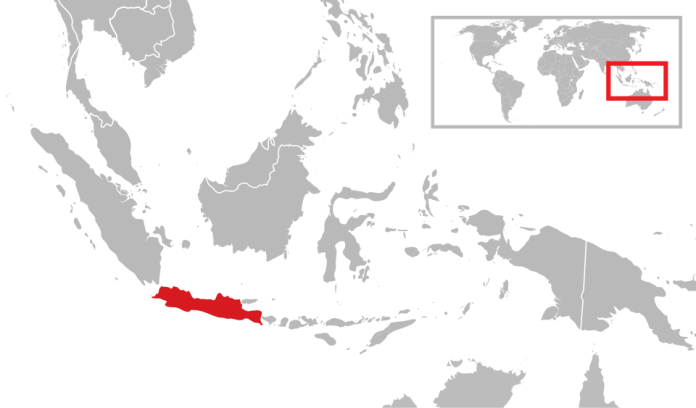

RADAR TULUNGAGUNG – The extraordinary fertility of Java volcanic soil helped transform a relatively small island into the political, economic, and demographic center of Indonesia for centuries. Fueled by volcanic activity along the Pacific Ring of Fire, Java developed agricultural wealth that supported powerful kingdoms, attracted colonial powers, and continues to influence Indonesia’s modern geopolitical landscape.
Although Java accounts for only about 7% of Indonesia’s land area, it is home to more than half of the country’s population and remains the center of government, industry, education, and economic activity. Historians and geographers have long linked this dominance to the island’s exceptionally fertile volcanic terrain.
The story of Java demonstrates how geography and natural resources can shape the course of civilizations. Beneath the island’s densely populated cities and vast rice fields lies a geological foundation that has influenced political power, economic development, and regional influence for more than a thousand years.
The Volcanic Foundation Behind Java’s Rise
Java sits along the Pacific Ring of Fire, one of the world’s most active tectonic zones. The island is lined with numerous active volcanoes, including Mount Merapi, Mount Semeru, and Mount Slamet.
While volcanic eruptions often bring destruction, they also deposit mineral-rich ash that replenishes the soil. Over thousands of years, these deposits created some of the most productive agricultural land in Southeast Asia.
This fertility enabled farmers to cultivate rice on a large scale and generate consistent food surpluses. Throughout history, abundant food production became a crucial factor in supporting population growth, state formation, and economic stability.
Many of Java’s major historical kingdoms emerged in fertile agricultural regions. Ancient agrarian states such as the Mataram Kingdom and the Majapahit relied heavily on agricultural output rather than maritime trade alone. Strong harvests allowed rulers to collect taxes, maintain armies, and finance large-scale infrastructure and religious monuments.
The construction of landmarks such as Borobudur and Prambanan reflected the economic strength generated by agricultural prosperity.
From Agricultural Wealth to Colonial Exploitation
Java’s fertile land also attracted foreign powers seeking economic gain. During the colonial era, the Dutch recognized the island’s agricultural potential and increasingly concentrated their activities there.
In the 19th century, the Dutch colonial government implemented the Cultivation System, known as Cultuurstelsel, which required many farmers to devote portions of their land and labor to export crops such as coffee, sugar, and indigo.
The productivity of Java’s volcanic soil contributed significantly to colonial revenues. Agricultural commodities produced on the island became important exports to European markets, helping strengthen the Dutch economy during the period.
At the same time, the island’s fertility fueled rapid population growth. By the late colonial era, Java had become one of the most densely populated regions in the world. A large population provided abundant labor for agricultural production while also increasing the strategic importance of the island.
Why Java Became Indonesia’s Geopolitical Center
Geography amplified the advantages created by fertile land. Java occupies a strategic position between the Indian Ocean and the Java Sea, placing it near major maritime trade routes that have connected Southeast Asia with global markets for centuries.
The combination of agricultural productivity, large population centers, and access to trade networks made Java a highly desirable territory for competing powers. Control over the island often meant control over economic resources, logistics, and political influence.
This strategic value remained evident during the Japanese occupation of Indonesia in 1942, when Java became a primary military objective because of its infrastructure, population, and agricultural resources.
Even after Indonesian independence, most national institutions, industries, universities, and transportation networks continued to concentrate on the island. As a result, political and economic developments in Java still exert significant influence across the country.
However, this concentration has also produced challenges, including urban overcrowding, environmental pressures, land scarcity, and development disparities between Java and other regions. These concerns have contributed to government efforts to promote more balanced national development, including the relocation of Indonesia’s capital to Nusantara.
Java’s history illustrates how natural forces can shape human civilization over centuries. The same volcanoes that periodically threaten communities have also supplied the fertile soil that enabled kingdoms to flourish, colonial economies to prosper, and modern Indonesia to emerge with Java at its center.