

RADAR TULUNGAGUNG – Kupang history traces the evolution of East Nusa Tenggara’s capital from an indigenous Helong settlement into one of eastern Indonesia’s most important trading and administrative centers. Local traditions, historical records, and colonial archives reveal how the city developed through centuries of migration, commerce, and political change.
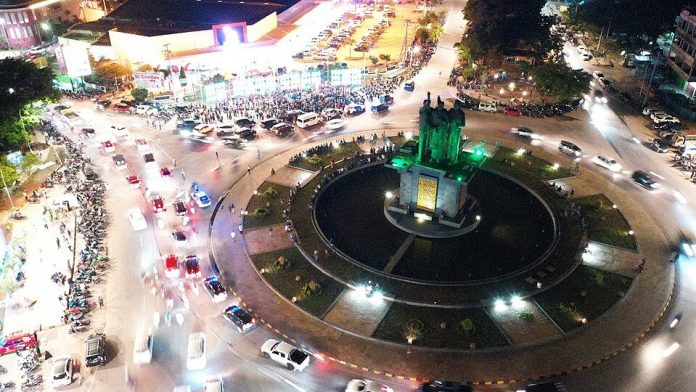
Today, Kupang serves as the capital of East Nusa Tenggara (NTT) and the largest city on Timor Island. Its strategic position along Kupang Bay helped the city attract traders, regional kingdoms, and later European colonial powers seeking control of the lucrative sandalwood trade.
Historians generally agree that indigenous communities inhabited western Timor long before the arrival of Portuguese and Dutch explorers. Oral traditions preserved by the Helong people continue to play an important role in explaining the origins of Kupang and many place names found across the modern city.
The Indigenous Origins of Kupang
Local Helong traditions connect the name Kupang to an early ruler known as Lai Kopan or Lai Kupan, who reportedly governed parts of the region before European contact. Although historians have found limited written evidence about the ruler, the story remains one of the most widely known explanations for the city’s name.
The Helong people occupied much of the coastal area around present-day Kupang and established settlements across western Timor. Their oral histories describe migrations, clan movements, and the founding of villages that later evolved into important urban districts.
Several neighborhoods in modern Kupang derive their names from these early traditions. Communities associate places such as Bonipoi, Oesapa, Liliba, Fatukoa, and Oebobo with historical journeys, natural landmarks, water sources, and significant events remembered by Helong ancestors.
These traditions continue to shape local identity and cultural ceremonies. Many Helong families still preserve stories that connect modern Kupang to its earliest inhabitants.
Colonial Competition and the Rise of a Strategic Port
Kupang’s location on a protected bay made it an attractive destination for regional trade, particularly the sandalwood trade that connected Timor with merchants from across Southeast Asia.
European involvement intensified during the 17th century. Historical records show that the VOC first established relations with local rulers in Kupang in 1613 after expanding its influence in eastern Indonesia. The area later became a focal point of competition between the Dutch and Portuguese, both seeking control of regional trade routes.
By 1653, Dutch forces had secured control of the former Portuguese stronghold and established Fort Concordia, which became the center of Dutch administration in Timor. From Kupang, the VOC managed political and commercial activities across much of the region for more than a century.
The city continued to grow during the Dutch colonial period as authorities encouraged settlement around Kupang Bay. Communities from Rote, Sabu, and Solor were relocated to strengthen the area’s security and support economic development.
From Colonial Settlement to Provincial Capital
A major milestone in Kupang’s development came on 23 April 1886, when Dutch Resident Creeve formally established the city’s administrative boundaries through Staatsblad No. 171 of 1886. The date is now recognized as the official founding date of Kupang.
Following Indonesian independence, Kupang underwent several administrative changes before becoming an increasingly important urban center. The city gained administrative city status in 1978 and was officially elevated to municipal city status (Kotamadya) in 1996.
Today, Kupang serves as the capital of East Nusa Tenggara and remains the largest urban center on Timor Island. Its historical legacy reflects a unique blend of indigenous traditions, colonial encounters, and modern Indonesian development.
The enduring story of Kupang demonstrates how local kingdoms, cultural memory, and centuries of regional trade shaped a city that continues to play a vital role in eastern Indonesia.