
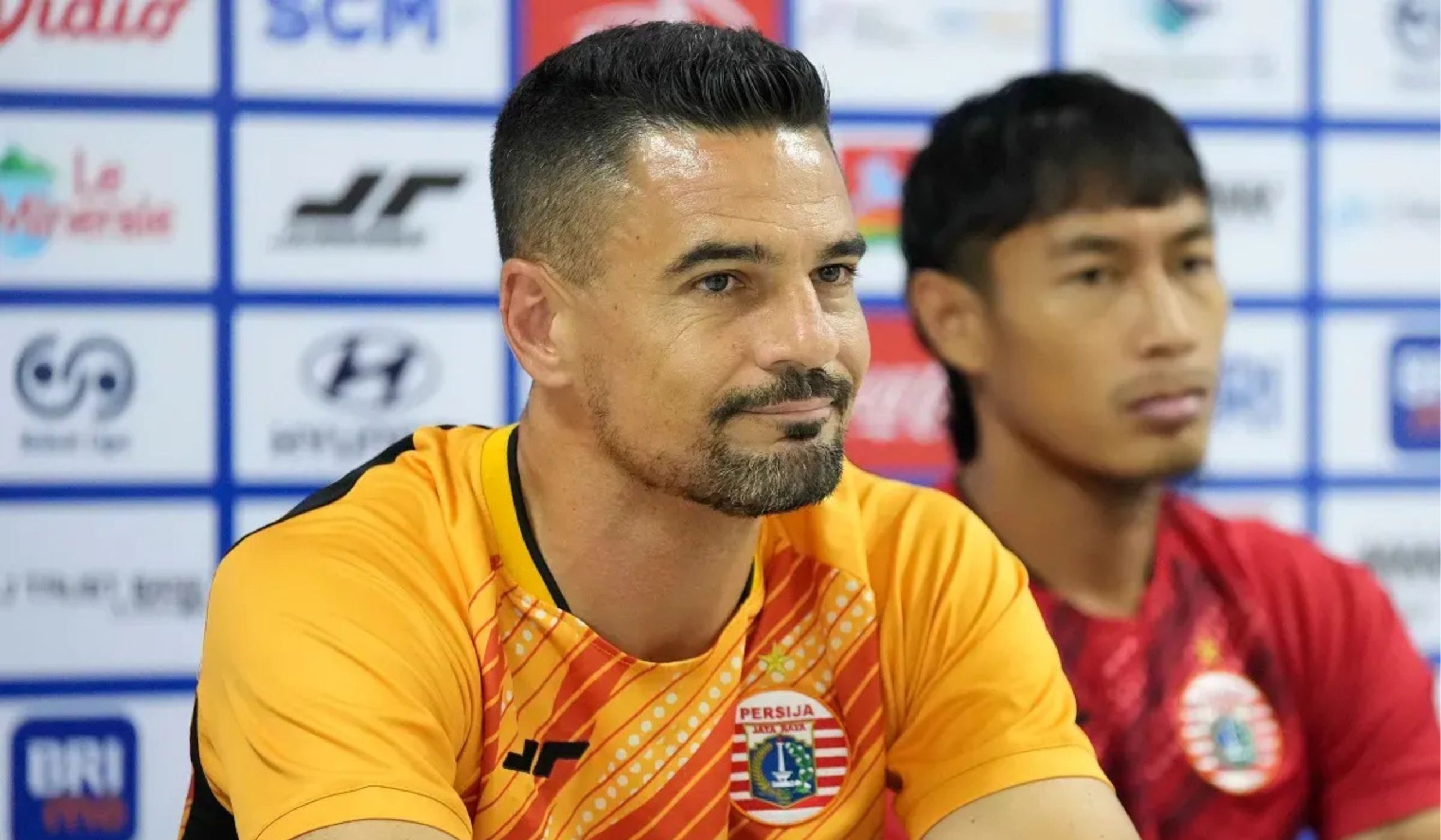

JAKARTA – Persija Jakarta officially entered a new chapter after appointing Carlos Pena as head coach, with club management emphasizing that the Spaniard has been selected to lead a major rebuild focused on youth development, tactical modernization, and a return to title contention in Liga 1.
The decision to replace former coach Thomas Doll quickly became one of the biggest talking points in Indonesian football. While Thomas Doll arrived with extensive European experience and a strong reputation, Persija executives said the club needed a “fresh journey” and a new football identity after inconsistent performances last season.
Carlos Pena, who previously coached in Thailand and India, admitted during his first press conference that managing Persija comes with enormous pressure. However, the 41-year-old insisted he is prepared to embrace the expectations of supporters and restore a winning mentality inside the dressing room.
“I am very ambitious,” Pena said. “I come here to bring energy and help the players believe they can fight for trophies.”
Persija Jakarta Chooses Youth and Modern Football Direction
Persija management explained that the appointment of Carlos Pena was not based solely on reputation or experience. Instead, the club evaluated long-term development strategies, financial sustainability, and Liga 1 regulations before finalizing the decision.
One of the most important factors was Pena’s experience working with young players. Club officials highlighted his involvement in Spain’s youth football system, saying the coach understands how to develop emerging talent while maintaining competitiveness at senior level.
Liga 1’s updated rules requiring clubs to play U-22 footballers for at least 45 consecutive minutes per match also influenced Persija’s direction. Management believes Pena’s profile matches the modern demands of Indonesian football, especially with Persija possessing several promising academy graduates.
The club’s executives acknowledged that appointing a younger coach carries risks. However, they insisted football trends around the world increasingly favor younger managers capable of adapting quickly and implementing modern tactical ideas.
“We want fresh motivation and new creativity,” a Persija official stated. “Football is evolving, and clubs must be brave enough to change.”
Pena himself stressed that he does not intend to impose a single rigid tactical system. According to the Spaniard, flexibility will be crucial in maximizing the strengths of Persija’s squad throughout the season.
Foreign Players and Squad Stability Become Key Priorities
Although Persija is entering a new managerial era, club officials confirmed that the majority of last season’s core squad will remain together. Several national team players are expected to stay, while only a small number of domestic additions may arrive during the transfer window.
Management also clarified the situation regarding foreign players. Under current Liga 1 regulations, clubs can register eight foreign players but only field six simultaneously during matches. Persija indicated they may prioritize quality and balance rather than filling every available slot.
Carlos Pena will have significant authority in determining which foreign players stay and which new signings arrive before the season begins.
The club also plans to use preseason tournaments and friendly matches to evaluate tactical combinations and player chemistry. Persija expects these preparations to help the coaching staff identify weaknesses before the new campaign officially starts.
“We still have time to build the best squad possible,” Pena explained. “The goal is to compete at the highest level.”
Supporters are particularly interested in how Persija will strengthen its attack and midfield after several inconsistent performances during the previous season. While the club remained competitive in the standings, critics argued the team lacked consistency in decisive matches.
Carlos Pena Faces Pressure to Deliver Immediate Results
Despite the optimism surrounding the new project, many supporters remain cautious about Carlos Pena’s appointment. Online discussions intensified after fans discovered that the coach recorded a win percentage of around 41 percent during one of his previous managerial spells.
Pena responded calmly to the criticism, arguing that statistical records must be evaluated within context. According to him, achieving a sixth-place finish and reaching a domestic cup quarter-final with his former club was considered a successful campaign.
“I understand the doubts because this is football,” Pena said. “But I am not worried about criticism.”
Persija management also defended the appointment by reminding supporters that success cannot always be guaranteed by hiring famous or highly experienced coaches. Executives pointed out that football often rewards clubs willing to take calculated risks and embrace new ideas.
The club’s official target for the upcoming season is securing a top-four finish in Liga 1. However, Persija’s broader ambition remains clear: returning to the title race and bringing another championship trophy back to Jakarta.
Another major factor expected to help Persija next season is the return of more consistent home matches in the capital. Last season, scheduling issues and stadium availability forced the club to play several “home” matches away from Jakarta, reducing the intimidating atmosphere usually created by The Jakmania supporters.
Persija now plans to use Jakarta International Stadium more regularly, while major matches could also be staged at Gelora Bung Karno Stadium.
For Carlos Pena, the mission is now straightforward but difficult: convince supporters that Persija’s new era can finally deliver both entertaining football and championship success.