
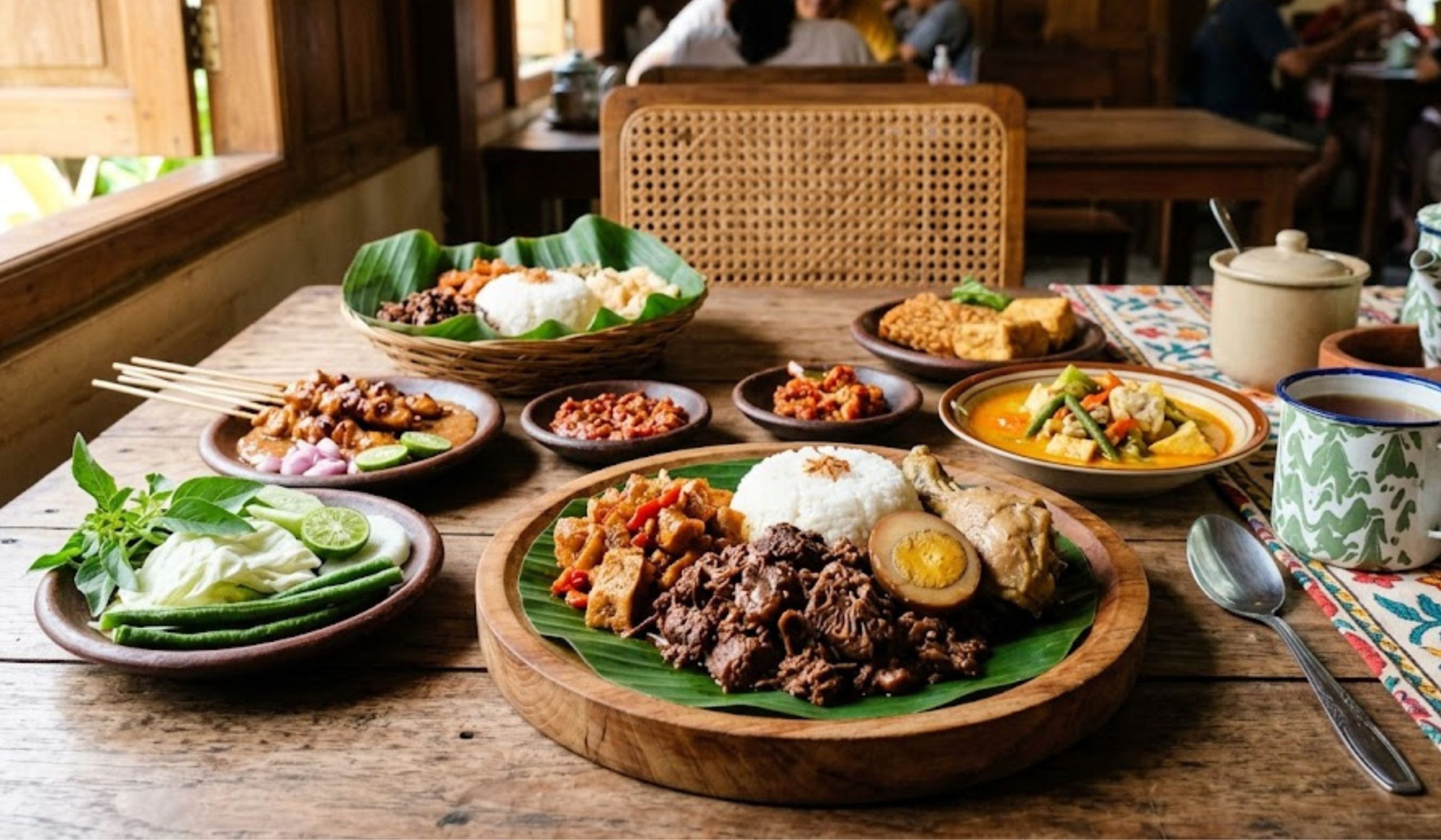

JAKARTA – East Java’s famous foods are becoming increasingly popular among global travelers in 2026 as Indonesia’s culinary tourism industry experiences rapid growth. Traditional dishes such as rawon, soto Lamongan, nasi krawu, and rujak cingur are now recognized not only as local specialties but also as cultural symbols representing Indonesian cuisine.
Tourists visiting East Java are increasingly exploring food markets, roadside stalls, and historic eateries in search of authentic regional flavors. Culinary travel has become one of the province’s strongest tourism sectors, particularly in cities including Surabaya, Malang, Banyuwangi, and Madura.
Travel platforms and food influencers continue highlighting East Java cuisine because of its strong spices, rich sauces, and unique cooking traditions. Many travelers now prioritize food exploration alongside visiting beaches, mountains, and cultural attractions.
The province’s culinary reputation is also strengthened by the diversity of dishes available. Each city and district offers specialties shaped by local history, geography, and community traditions.
Iconic Dishes Continue to Define East Java Cuisine
Rawon remains one of the most iconic dishes in East Java. The black-colored beef soup is made using keluwek nuts, creating a rich earthy flavor rarely found in other cuisines. The dish is commonly paired with rice, salted eggs, crackers, and bean sprouts.
Soto Lamongan has also become one of Indonesia’s most recognizable soup dishes. Its flavorful yellow broth is enhanced with koya, a savory topping made from garlic and crushed crackers. The dish is widely sold across Indonesia but remains strongly associated with Lamongan in East Java.
Rujak cingur continues attracting visitors searching for bold and unusual flavors. Combining fruits, vegetables, lontong, tofu, and slices of boiled beef snout with thick petis sauce, the dish represents one of the region’s most authentic culinary traditions.
Meanwhile, nasi krawu from Gresik has maintained popularity because of its simple but flavorful presentation. Served on banana leaves, the meal combines shredded beef, spicy sambal, and coconut serundeng.
Street food also plays a major role in East Java’s culinary culture. Tahu tek and lontong balap remain favorite choices for affordable and filling meals sold by traditional vendors throughout Surabaya and nearby areas.
Culinary Heritage Reflects Local Identity and Lifestyle
Food historians say East Java cuisine reflects centuries of cultural exchange and agricultural influence. Coastal communities developed seafood-based dishes, while inland regions focused more on beef, vegetables, and spicy sauces.
Banyuwangi continues to stand out with specialties such as nasi tempong and rujak soto. Both dishes are known for their strong flavors and creative combinations that differ significantly from food traditions in other Indonesian provinces.
Madura’s sate Madura remains among Indonesia’s most internationally famous foods. The grilled meat skewers coated with peanut sauce are now sold globally and are often considered a symbol of Indonesian street food culture.
Bakwan Malang also continues attracting tourists searching for comfort food. The dish contains beef meatballs, tofu, noodles, and crispy fried wontons served in clear savory broth.
Traditional snacks, herbal drinks, and market foods remain important elements of the East Java dining experience. Many travelers enjoy exploring morning markets and night food centers to sample a wider variety of regional specialties.
Tourism Growth Helps Preserve Traditional Culinary Businesses
The increasing popularity of East Java cuisine has created new opportunities for local vendors, family-run restaurants, and traditional food producers. Culinary tourism now contributes significantly to local economies across several cities in the province.
Younger generations are also becoming more involved in preserving traditional recipes through digital marketing, online food content, and modern restaurant concepts inspired by classic dishes.
Tourism communities believe East Java’s culinary heritage will continue gaining international recognition as more travelers seek authentic experiences connected to local culture and history.
As Indonesia strengthens its reputation as a global culinary destination, East Java’s famous foods continue standing out for their bold flavors, cultural depth, and enduring popularity among food lovers worldwide.