
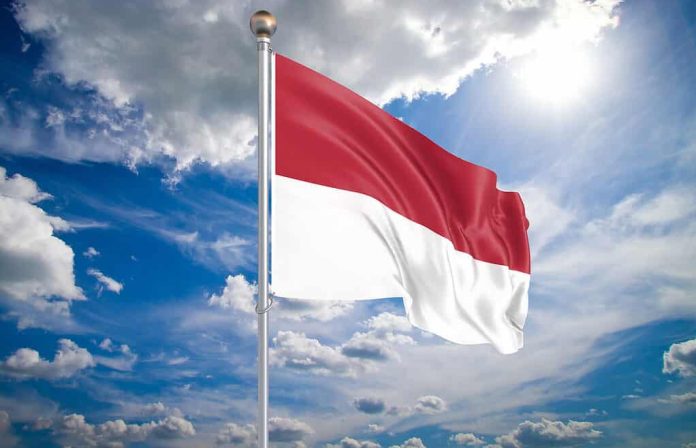

RADAR TULUNGAGUNG – Eighty years after Indonesia declared independence in 1945, the country stands at a critical crossroads. The phrase “Indonesia 80 years of independence” is not just a milestone, it is a reflection of a long, turbulent journey shaped by conflict, reform, and shifting political power.
From the very beginning, Indonesia faced extraordinary challenges. Unlike nations that quickly stabilized, Indonesia spent its first decade defending sovereignty and seeking international recognition. Economic systems were nonexistent, and even civil servant salaries relied on leftover Japanese currency.
Early Struggles After Independence
In the late 1950s, under Soekarno, Indonesia nationalized Dutch companies across sectors such as plantations, railways, and banking. However, the move lacked managerial readiness. Many enterprises collapsed, highlighting a deeper issue: the nation was still struggling to define its identity.
Competing ideologies from leaders like Mohammad Hatta and Sutan Sjahrir created political fragmentation. At the same time, regional rebellions and separatist movements drained state resources, delaying economic development.
By the mid-1960s, economic collapse became inevitable. Inflation soared to 600 percent, triggering widespread hardship. The political crisis culminated in the 1965 Indonesian coup attempt, marking a turning point in modern Indonesian history.
The New Order and Economic Recovery
Following the crisis, Soeharto rose to power, ushering in the New Order era. Aligning Indonesia with Western powers, he introduced economic reforms supported by technocrats known as the “Berkeley Mafia.”
Programs like Repelita (Five-Year Development Plans) stabilized inflation and revived growth. Infrastructure expanded rapidly, and foreign investment flowed into natural resource sectors. However, development was heavily centralized in Java, leaving outer regions behind.
Despite economic gains, the era was marked by authoritarian control. The military dominated politics, and corruption, collusion, and nepotism became systemic. These weaknesses eventually contributed to the 1997 Asian Financial Crisis, which devastated Indonesia’s economy.
Reformasi and Democratic Transition
The fall of Soeharto in 1998 opened the Reformasi era. Under B. J. Habibie, Indonesia quickly restructured its banking sector and stabilized the rupiah. Democratic freedoms expanded, including press freedom after decades of restriction.
Leadership then passed to Abdurrahman Wahid, widely known as Gus Dur. He promoted pluralism by restoring rights for ethnic Chinese Indonesians and recognizing Confucianism as an official religion. His administration also reduced military influence in politics.
Although his presidency was short-lived, it marked a significant shift toward civilian supremacy. His successor, Megawati Soekarnoputri, strengthened democratic institutions, including the Constitutional Court and Corruption Eradication Commission (KPK).
Stability and Growth in the 2000s
A new phase began under Susilo Bambang Yudhoyono. Unlike previous leaders, his administration focused on stability rather than drastic reforms. Economic growth averaged 5-6 percent annually, inflation remained low, and foreign reserves increased significantly.
Indonesia gained global recognition, joining the G20 and achieving middle-income status. This period also saw the rise of a professional private sector independent of political patronage.
Jokowi Era and Infrastructure Push
In 2014, Joko Widodo, widely known as Jokowi, rose to power as the first leader from outside the political elite. His presidency symbolized hope for ordinary Indonesians.
His administration prioritized infrastructure development, launching hundreds of national strategic projects. Investments surged, but so did debt—particularly through state-owned enterprises.
The second term, however, faced an unprecedented challenge: the COVID-19 pandemic. Economic activity collapsed, unemployment rose, and many infrastructure projects stalled. Critics pointed to inconsistent policies and weak crisis management.
Entering an Uncertain Future
As Indonesia marks 80 years of independence, concerns are growing over democratic backsliding. The transition to new leadership involving Prabowo Subianto and Gibran Rakabuming Raka has sparked debate about political consolidation and the use of state resources.
Observers note increasing control over institutions, revisions to key laws, and narrowing space for media and opposition voices. These developments raise critical questions about the direction of Indonesia’s democracy.
After eight decades, Indonesia has survived economic collapse, authoritarian rule, and democratic transformation. Yet the central question remains: what kind of nation will Indonesia become in the years ahead?