

RADAR TULUNGAGUNG – President Prabowo Subianto has revived discussion on the work from home policy as the government looks for practical ways to save fuel amid rising global uncertainty and possible pressure on energy prices.
The work from home policy appeared in cabinet discussions after Prabowo warned that conflict in Europe and the Middle East could push crude oil prices higher. He said Indonesia must prepare early because fuel price increases often affect transportation costs and later influence food prices.
According to Prabowo, the work from home policy could become one of the fastest ways to reduce national fuel consumption because fewer daily trips to offices would directly lower fuel demand in major cities.
Government Reviews Fuel Efficiency Measures
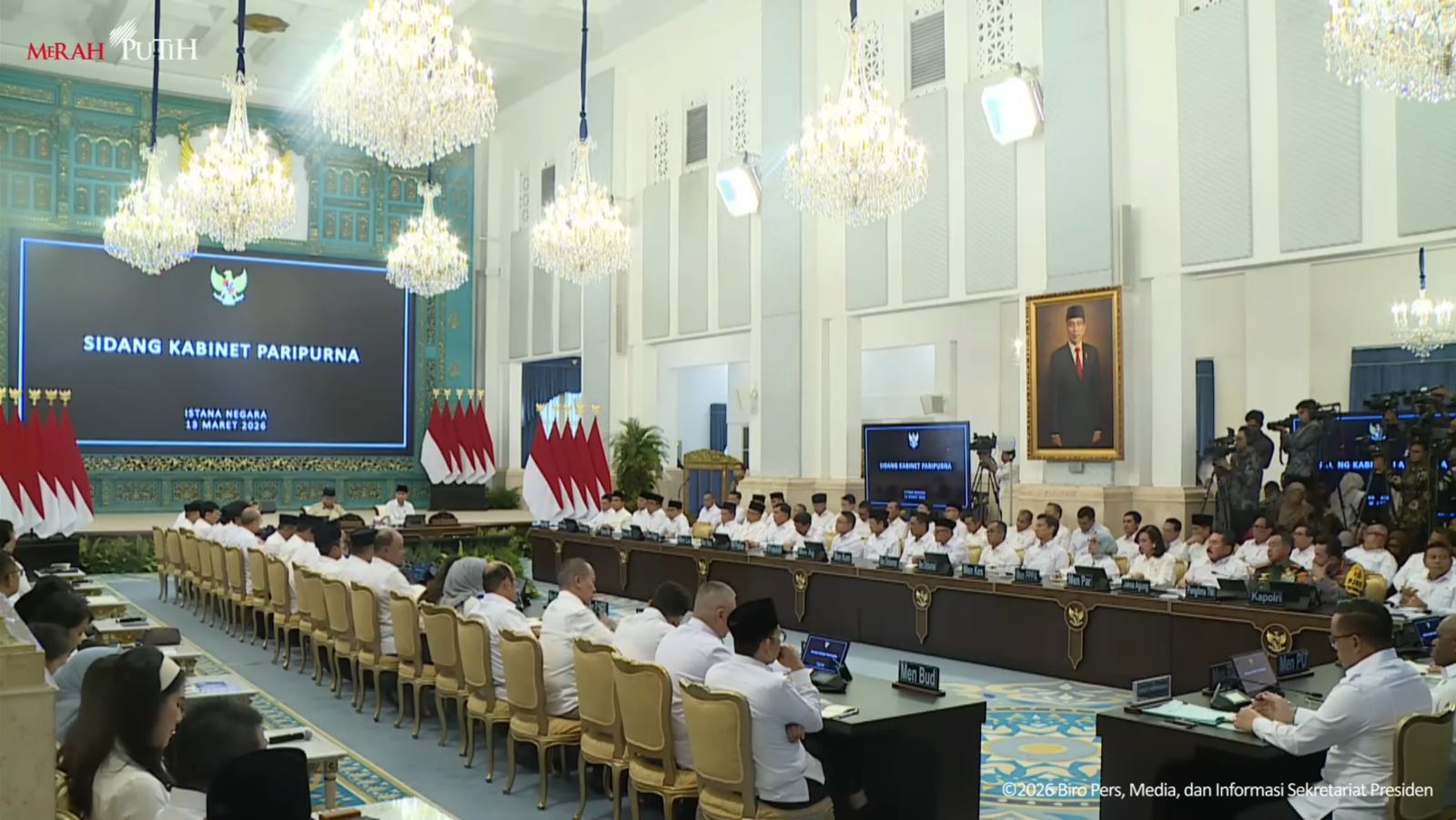
During a plenary cabinet meeting at Istana Negara, Prabowo said Indonesia must strengthen efficiency even though the country remains economically stable. He stressed that global developments can quickly affect domestic planning, especially when energy markets become volatile.
He explained that ministries are now reviewing several scenarios to anticipate changes in oil prices. The government wants every institution to prepare efficiency measures before pressure reaches the wider economy.
Prabowo added that fuel saving should not only focus on industry but also daily government operations.
Remote Work Considered Practical and Fast
Prabowo referred to Indonesia’s experience during the COVID-19 period, when remote work helped reduce daily traffic and lower fuel use in major cities. He said that period showed many institutions could still operate effectively even when employees worked from home.
Government analysts estimate that one day of remote work could cut national fuel consumption by about 36,000 barrels. The figure has made the policy an important option in current discussions, especially for civil servants and public officials in urban areas.
He added that reducing office commuting would also help lower congestion, particularly in Jakarta and other major cities.
Oil Prices Remain a Key Concern
Officials continue monitoring global crude oil movement because it affects state budget planning. Rising oil prices can influence inflation, logistics costs, and public purchasing power.
The government currently uses annual average oil calculations for fiscal policy, but sudden global spikes still require anticipation. That is why ministries are preparing short-term responses.
Prabowo said Indonesia already secured several key food supplies, but energy efficiency must still become part of national policy.
Other Countries Also Tighten Spending
Prabowo also mentioned Pakistan as an example of how governments respond to energy pressure. Pakistan recently introduced spending cuts in several sectors, including limits on official fuel use.
Indonesia, he said, may not copy every measure, but international examples remain useful.
He asked ministries to continue studying practical steps that can reduce state spending without disrupting services.
Decision Still Under Review
The government has not issued a formal regulation on remote work. However, ministries are now examining whether reduced office attendance or rotating schedules could support efficiency.
Prabowo said Indonesia must stay disciplined because uncertainty may continue in coming months. If needed, the work from home policy could become part of broader fuel-saving measures to maintain economic stability.