

RADAR TULUNGAGUNG – Work from home policy has emerged again in national policy discussions after President Prabowo Subianto signaled that the government is studying remote work as a strategic response to rising global uncertainty, especially the risk of higher fuel and food prices.
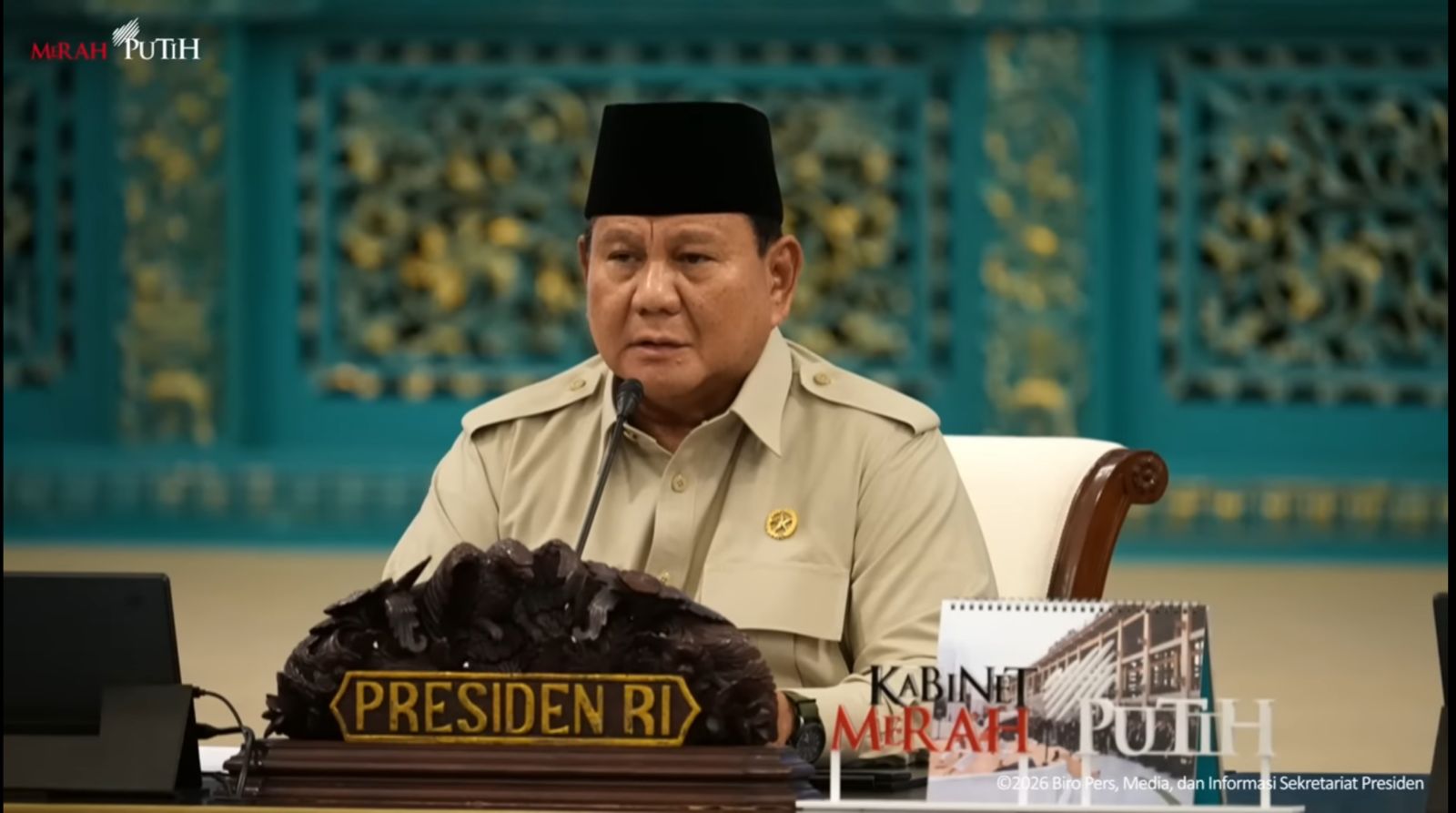
Speaking during a plenary cabinet meeting at Istana Negara on Friday, Prabowo said work from home policy could help Indonesia reduce fuel consumption significantly if global tensions continue to push energy prices upward.
The president linked the possible policy directly to international developments in Europe and the Middle East, where geopolitical instability may trigger increases in oil prices and affect domestic economic conditions in Indonesia.
Global Pressure Raises Concern Over Fuel Prices
Prabowo explained that international developments continue to pressure the global energy market. He said conflict in several regions may disrupt supply and raise fuel prices.
Higher energy costs often affect transportation first. After that, logistics costs rise and food prices usually follow.
He stressed that Indonesia must prepare before those pressures reach domestic markets. The government has already secured several basic food supplies, but it still needs preventive action.
According to Prabowo, energy efficiency must become part of the national response. He also said the government will accelerate several programs in the energy sector.
Work From Home Seen as a Practical Fuel-Saving Option
Prabowo referred to Indonesia’s experience during the COVID-19 period. He said remote work once helped reduce daily fuel use in large cities.
During that period, many offices kept running while employees worked from home. Traffic also dropped in major urban areas.
He believes the same approach can still support efficiency today. Civil servants and public officials could reduce commuting without disrupting government services.
“We succeeded during COVID-19. We worked from home and saved a very large amount of fuel,” Prabowo said.
He added that ministries should calculate how many working days can shift into remote schedules.
Government Reviews Office Attendance and Working Days
The president asked ministers to examine several efficiency scenarios. One option is limiting office attendance on selected days.
Another option is rotating employee schedules. The government may also review shorter working arrangements if needed.
Prabowo said reducing trips to government offices could cut congestion in large cities. Less traffic means lower fuel consumption each day.
He wants ministries to study the impact before making a final decision.
Fuel Efficiency Linked to Economic Stability
Prabowo said Indonesia must remain careful even though the country has strong long-term prospects. He believes national resilience will improve within the next two to three years.
Still, he warned that efficient consumption must start now. Fuel saving, he said, should become a habit across sectors.
He also encouraged ministries to find other practical savings outside transportation.
Energy and Food Security Remain Top Priorities
The government currently focuses on protecting energy supply and keeping food prices stable. Those two sectors remain sensitive when global prices move sharply.
Prabowo said Indonesia needs flexible policies to face sudden external pressure. He sees fuel-saving measures as part of that preparation.
The government has not issued a formal rule yet. However, ministries may soon complete technical reviews.
If approved, the work from home policy could become one of the first efficiency measures under Prabowo’s administration to answer global economic pressure.