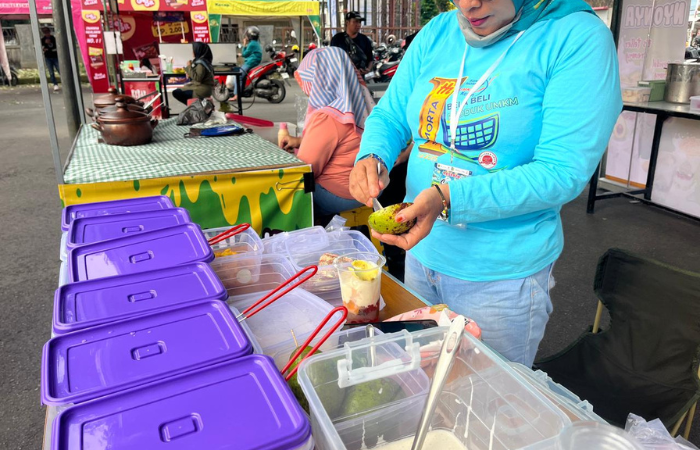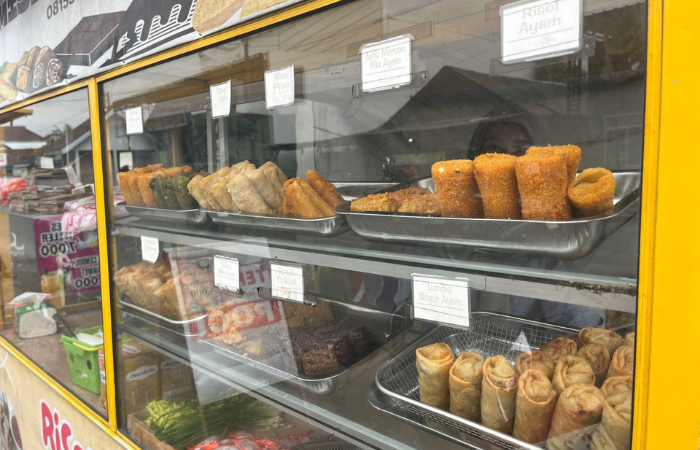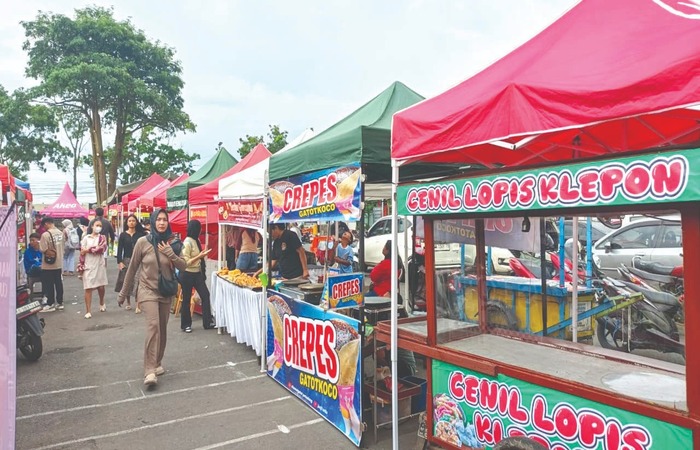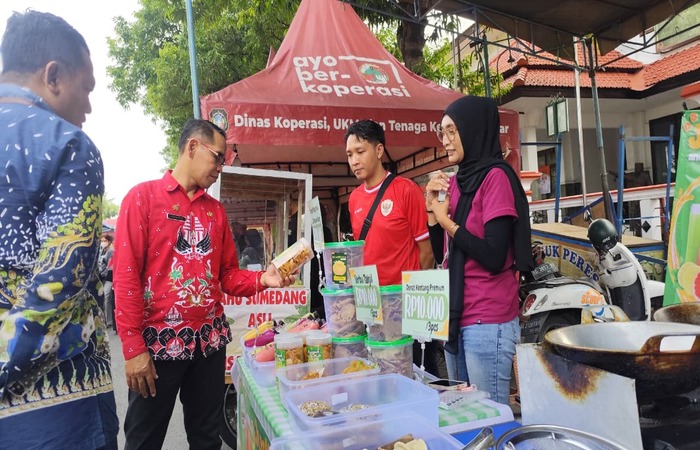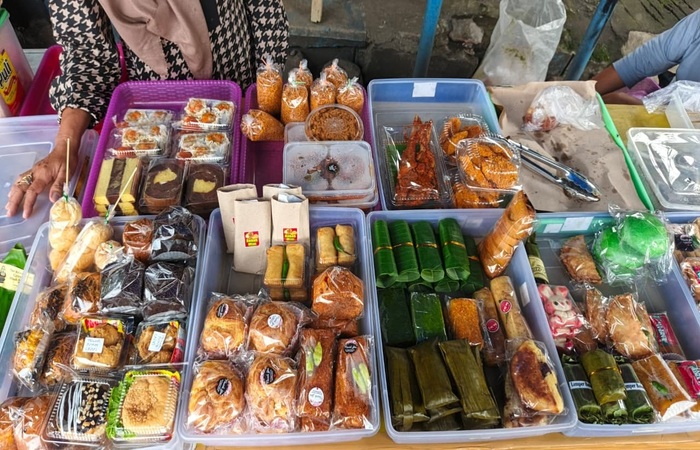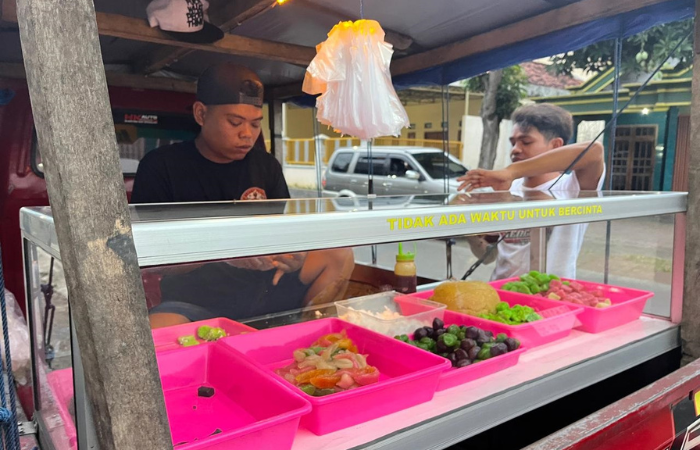
TULUNGAGUNG – Traditional takjil in Tulungagung continues to draw large crowds during Ramadan, as residents flock to street stalls in search of classic sweet treats to break their fast. Despite the growing popularity of modern snacks, time-honored delicacies such as lupis and cenil remain the top choice for many.
Ramadan in Indonesia is synonymous with “takjil hunting,” a pre-iftar ritual where people buy light bites before sunset. In Tulungagung, East Java, the enduring appeal of traditional takjil reflects both nostalgia and practicality. The sweet flavors are considered ideal for restoring energy after hours of fasting.
Lupis, made from glutinous rice wrapped in banana leaves and boiled until tender, offers a chewy and filling texture. It is typically served with freshly grated coconut and generously drizzled with thick liquid palm sugar. The combination of savory coconut and rich sweetness has made lupis a staple appetizer before the main meal.
Equally popular is cenil, known for its vibrant colors and eye-catching presentation. Made from tapioca flour, cenil has a soft, chewy consistency and a mild sweetness that pairs perfectly with shredded coconut and palm sugar syrup. Its playful appearance makes it especially appealing to children and young buyers.
Beyond taste and tradition, affordability plays a key role in sustaining demand. Lupis and cenil are sold at accessible prices, ensuring they remain competitive amid a wave of trendy Ramadan snacks.
Every Ramadan, vendors set up stalls across city corners and traditional markets, where long queues form ahead of iftar. For many residents, buying traditional takjil in Tulungagung is not just about satisfying hunger, it is also about preserving culinary heritage and reliving cherished memories of past Ramadans.