
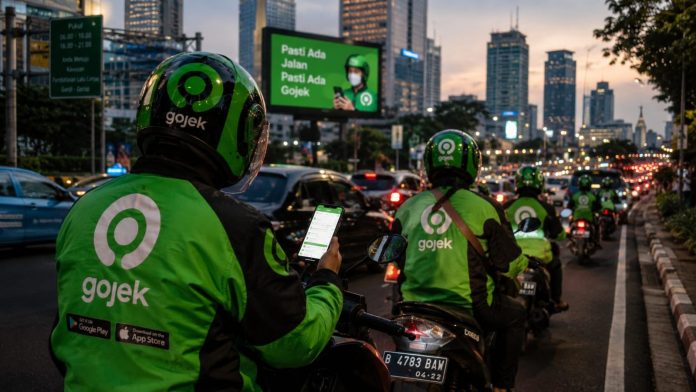

JAKARTA — The latest discussions surrounding the Gojek 2026 strategy have sparked fresh debate across Indonesia as the country’s ride-hailing and digital service sector enters a new phase of competition and innovation.
The Gojek 2026 strategy became a major talking point after reports emerged about possible service expansion, platform optimization, and operational policy changes affecting both drivers and users. Public attention has continued growing as Indonesia’s digital economy evolves rapidly.
Gojek remains one of the largest technology platforms in Southeast Asia, providing transportation, food delivery, logistics, and digital payment services to millions of users every day.
Technology analysts believe competition among ride-hailing companies is becoming increasingly aggressive as platforms seek to improve efficiency while maintaining profitability. Companies are now focusing heavily on ecosystem integration, customer loyalty programs, and AI-driven services.
The latest developments have also reignited concerns regarding driver welfare and income stability. Many drivers are questioning how future operational policies could affect incentives, commissions, and daily earnings amid rising living expenses.
Transportation experts say digital platforms must carefully balance business growth with fair treatment for workers. Fuel prices, maintenance costs, and fluctuating demand remain major challenges for app-based drivers across Indonesia.
Meanwhile, consumers continue expecting lower prices, faster services, and more reliable applications. Industry observers note that customer experience is becoming one of the most critical factors in maintaining market leadership.
Indonesia’s digital economy continues showing strong growth potential due to increasing internet penetration and widespread adoption of cashless transactions. Analysts predict app-based services will remain central to urban lifestyles throughout 2026.
The issue has also generated strong reactions on social media, where users are debating service quality, promotional strategies, and platform fairness. Discussions regarding the future of gig economy workers have become increasingly prominent online.
Government regulators are reportedly reviewing policies related to digital transportation services as the sector expands further. Officials are expected to focus on consumer protection, fair competition, and labor standards moving forward.
Several technology experts believe automation and data analytics will shape the future of transportation platforms in Indonesia. Companies investing in smart logistics systems and personalized services are expected to gain a stronger competitive advantage.
As Indonesia’s technology sector grows more competitive, the Gojek 2026 strategy is expected to remain one of the country’s most closely followed business and economic stories in the months ahead.