
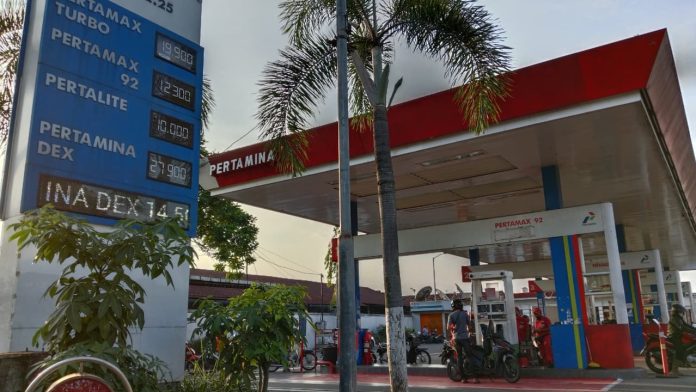

TULUNGAGUNG – The latest Fuel Prices June 2026 adjustment has brought mixed changes for motorists in Tulungagung. Several non-subsidized fuel products now cost less, while others have become more expensive following a nationwide price revision that took effect on June 1.
The changes appeared at fuel stations across the region early Sunday. Operators updated fuel dispensers and pricing boards to reflect the new rates for consumers.
One of the locations that recorded the latest adjustments was the Jepun gas station in Tulungagung District. Staff members confirmed that price changes had already taken effect and now apply to all customers purchasing non-subsidized fuel.
According to Heru, an operational employee at the station, fuel prices moved in different directions this month. Some products became cheaper, while others posted noticeable increases.
“For non-subsidized fuels, the changes vary. Dexlite has recorded a price decrease this month,” Heru said.
The decline in Dexlite prices offers modest relief for diesel vehicle owners. Although the reduction remains relatively small, it marks a different trend from products that experienced higher retail prices at the start of June.
Meanwhile, motorists who use premium gasoline with a higher octane rating must pay more. Pertamax Turbo, one of Indonesia’s highest-performance fuel products, recorded a significant increase under the latest adjustment.
“The fuel type that experienced a price increase this June is Pertamax Turbo,” Heru explained.
He added that the increase reached Rp 1,750 per liter compared with the previous month. Station operators implemented the new price simultaneously through fuel dispensers after receiving the latest pricing instructions.
The adjustment means drivers of performance-oriented vehicles now face higher fuel costs. Many consumers are expected to review their fuel spending as a result of the latest changes.
Industry observers often note that non-subsidized fuel prices depend heavily on global market conditions. International crude oil prices and movements in the Indonesian rupiah can directly influence retail fuel rates across the country.
As a result, monthly price adjustments remain common in Indonesia’s fuel market. Consumers, businesses, and transportation operators frequently monitor those changes because fuel costs can affect daily expenses and operating budgets.
In Tulungagung, the latest revision may influence purchasing patterns among private vehicle owners and local industries. Some consumers could shift toward more economical fuel options, while others may continue using higher-grade products despite rising prices.
For now, fuel stations across the region have fully implemented the June pricing structure. Motorists can expect the revised rates to remain in place until the next scheduled adjustment.