
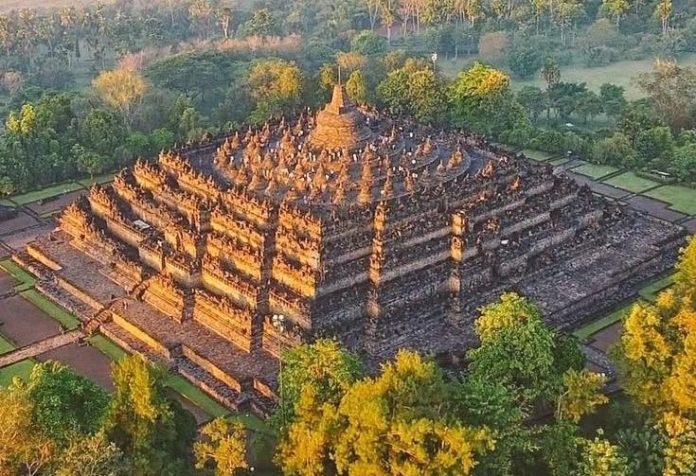

JAKARTA – The most beautiful places in Indonesia continue to captivate global travelers, with a newly compiled list highlighting 20 must-visit destinations across the archipelago—from the world-renowned Raja Ampat to the historic Borobudur Temple—offering a blend of natural wonders, cultural heritage, and biodiversity unmatched anywhere else.
Indonesia, the world’s largest archipelagic nation with more than 17,000 islands, is often described as a “slice of paradise.” The latest travel compilation underscores why, showcasing destinations that range from volcanic landscapes and tropical islands to UNESCO-recognized heritage sites.
The list of the most beautiful places in Indonesia is gaining traction among international tourists as global travel demand rebounds, particularly for nature-based and cultural tourism.
Key Destinations Highlight Indonesia’s Natural and Cultural Diversity
Among the highlights is Raja Ampat in Southwest Papua, widely regarded as one of the most biodiverse marine regions on Earth. The area consists of hundreds of limestone islands and is home to more than 75% of the world’s coral species, making it a premier destination for diving and underwater photography.
Equally iconic is Borobudur Temple in Central Java, the largest Buddhist temple in the world and a UNESCO World Heritage Site. Built in the 9th century, the temple features intricate relief panels depicting the life and teachings of Buddha, attracting millions of visitors annually.
Other top destinations include Mount Bromo in East Java, known for its dramatic sunrise views over a vast sea of sand, and Komodo Island in East Nusa Tenggara, home to the endangered Komodo dragon. The island is also famous for its pink sand beaches and rich marine ecosystems.
“Indonesia offers a complete travel experience—from adventure and nature to spirituality and culture,” the video narrator said, emphasizing the country’s global appeal.
Data and Global Recognition Strengthen Indonesia’s Tourism Appeal
Several destinations on the list have received international recognition. Raja Ampat, for instance, is frequently ranked among the best diving locations globally due to its unmatched marine biodiversity.
Meanwhile, Wakatobi National Park in Southeast Sulawesi is part of the Coral Triangle, a region known as the “Amazon of the seas,” hosting thousands of marine species. Similarly, Bunaken National Park in North Sulawesi features at least 58 coral genera and over 290 species of reef fish, according to conservation data.
Lake Toba in North Sumatra, another entry on the list, holds the title of the largest volcanic lake in the world. Formed by a massive eruption thousands of years ago, it remains a key geological and cultural landmark, particularly with the presence of Batak heritage on Samosir Island.
In East Nusa Tenggara, Kelimutu Lake stands out for its three crater lakes that change color—blue, green, and red—due to varying mineral content and volcanic activity, offering a rare natural phenomenon.
“Destinations like Kelimutu and Rinjani showcase Indonesia’s unique geological landscape,” the narrator noted, referring to Mount Rinjani, the country’s second-highest volcano and a favorite among international hikers.
Tourism Impact and Rising Global Interest
The growing visibility of the most beautiful places in Indonesia is expected to boost tourism, a key sector contributing significantly to the national economy. According to government targets, Indonesia aims to attract millions of international visitors annually, with nature and eco-tourism leading the strategy.
Destinations such as Nusa Penida in Bali and Karimunjawa in Central Java are increasingly popular among younger travelers and content creators, driven by social media exposure. Their pristine beaches, clear waters, and dramatic cliffs have made them viral travel hotspots.
At the same time, cultural destinations like Wae Rebo Village—recognized by UNESCO in 2012 for heritage conservation—offer eco-tourism experiences rooted in tradition, featuring cone-shaped houses known as Mbaru Niang.
Banda Neira in Maluku also stands out as a “hidden gem,” combining colonial history with centuries-old coral reefs, attracting divers and history enthusiasts alike.
Tourism observers note that balancing accessibility with conservation remains crucial. “Sustainable tourism will determine whether these destinations can maintain their beauty long-term,” the narrator emphasized.
From Raja Ampat’s underwater paradise to Borobudur’s spiritual grandeur, the most beautiful places in Indonesia reflect the country’s extraordinary diversity and global tourism potential. As interest continues to rise, preserving these natural and cultural treasures will be key to ensuring they remain world-class destinations for generations to come.