

BLITAR – The rise of Blitar stunting cases no longer stems mainly from poverty, local health officials say. Instead, they blame “instant” parenting habits and low awareness of child nutrition for chronic growth problems among toddlers.
The Blitar District Health Office (Dinkes) sees socio-cultural behavior as the biggest barrier to lowering stunting rates. Officials say many families can afford food but fail to provide balanced meals.
“The main cause today is parenting patterns,” said Etti Suryani, Coordinator for Family Health and Community Nutrition at the Blitar Health Office. “This is often not about economic hardship, but about how parents manage portion sizes and nutritional balance.”
Etti pointed to a growing preference for convenience. Many parents choose ready-to-serve or low-nutrient foods and overlook their long-term impact.
“Parents often focus on practicality. But toddlers need specific nutritional compositions during their growth phase,” she said. “Our biggest challenge is changing this behavior.”
Health officials argue that changing habits takes more effort than distributing aid. Economic support can move quickly, but behavioral change requires sustained education and community involvement.
Blitar recorded a stunting prevalence rate of 17.8 percent in 2024, down from 20.3 percent in 2023. The decline shows progress, but several densely populated subdistricts still raise concern.
Authorities continue to monitor Garum, Ponggok, and Selopuro, where parenting practices and lifestyle patterns vary widely.
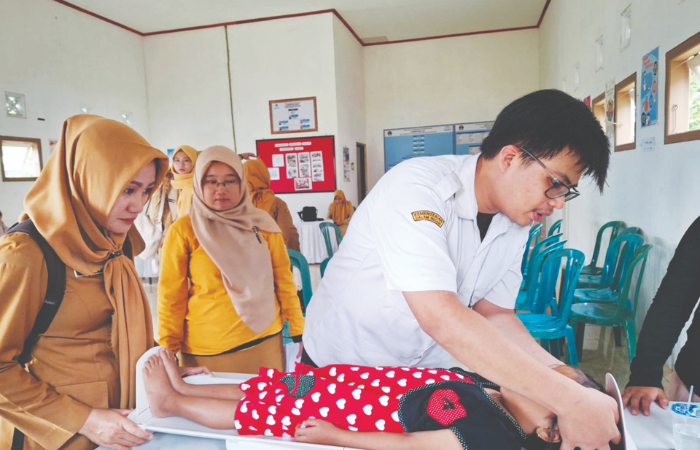
Through community health posts (posyandu) and local volunteers, the Health Office runs regular campaigns on balanced nutrition. Officials also warn parents about the risks of excessive instant food consumption for toddlers.
Etti stressed that proper child nutrition requires long-term commitment. “Adequate nutrition cannot be compromised for the sake of convenience,” she said.
The Blitar stunting campaign now targets both food access and parental awareness. Officials hope stronger education efforts will secure healthier futures for local children.