
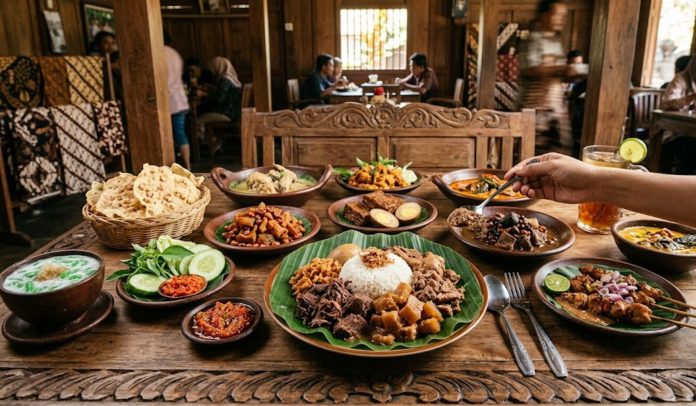

JAKARTA – Legendary Solo street food continues dominating Indonesia’s culinary tourism trends in 2026 as visitors search for authentic local dishes that combine traditional flavors, cultural heritage, and nostalgic dining experiences. The Central Java city remains famous for its iconic food stalls, historic eateries, and unique recipes preserved for decades.
Solo Strengthens Reputation as Indonesia’s Culinary Heritage City
Solo has long been considered one of the country’s leading culinary destinations due to its strong connection between food and Javanese tradition. Travelers visiting the city often prioritize tasting traditional dishes that are difficult to find elsewhere in Indonesia.
Among the city’s most iconic meals is nasi liwet Solo, a coconut milk rice dish commonly served with chicken opor, eggs, and spicy sambal. Many tourists continue visiting legendary stalls that have served the dish for generations, including Warung Bu Wongso Lemu.
Traditional snacks also remain essential to Solo’s food culture. Serabi Solo, known for its sweet taste and soft texture, continues attracting long queues at famous locations such as Serabi Notosuman.
Culinary tourism experts say Solo’s popularity has increased because travelers are becoming more interested in authentic cultural experiences rather than modern commercial attractions.
Traditional Recipes Continue Surviving Through Family Businesses
Many of Solo’s famous dishes are still prepared using old-fashioned cooking techniques maintained by family-owned businesses.
Selat Solo remains one of the city’s most distinctive dishes due to its combination of European-style presentation and sweet Javanese seasoning. The dish is commonly served with beef, vegetables, potatoes, and rich brown gravy.
Meanwhile, gudeg ceker has become one of Solo’s strongest night tourism attractions. Visitors regularly gather at late-night food stalls to taste the savory jackfruit stew and soft chicken feet cooked in coconut spices.
Goat dishes such as sate buntel and tengkleng also continue attracting culinary travelers. The dishes are widely considered among Solo’s most authentic specialties due to their strong spices and traditional preparation methods.
Restaurant owners say social media exposure has significantly increased the number of younger visitors searching for traditional culinary experiences in Solo.
Traditional Snacks and Drinks Add to Solo’s Culinary Appeal
Solo’s culinary identity is not limited to heavy meals. Traditional snacks and beverages also continue attracting tourists exploring local markets and food centers.
Cabuk rambak remains one of the city’s most unique snacks thanks to its combination of rice cake, sesame sauce, and crackers. The food is widely associated with traditional market culture in Solo.
Dawet telasih also remains highly popular among visitors seeking traditional beverages. The sweet iced drink made from coconut milk, basil seeds, and palm sugar is often consumed during warm weather.
Pecel ndeso has also gained attention among travelers interested in healthier traditional foods. The vegetable-based meal served with peanut sauce reflects the simplicity of rural Javanese cuisine.
Local tourism communities believe Solo’s culinary heritage will continue becoming one of Indonesia’s strongest tourism assets as travelers increasingly value authentic local culture.
For many visitors, Solo offers more than just food. It provides a culinary journey deeply connected to history, tradition, and everyday Javanese life.