
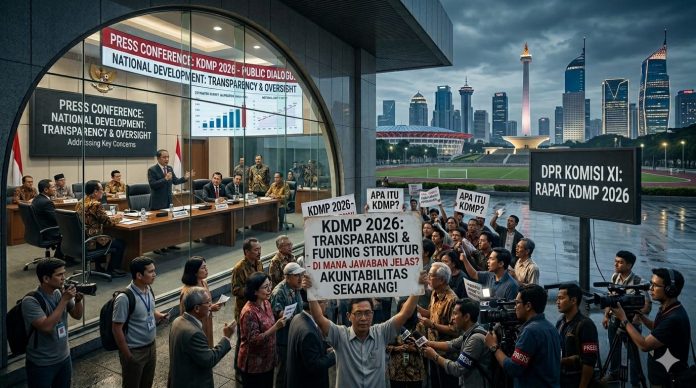

JAKARTA — The emergence of the latest KDMP policy has triggered fresh political and economic tensions in Indonesia as public scrutiny toward government programs continues increasing throughout 2026.
The latest KDMP policy became a nationwide talking point after new discussions surfaced regarding implementation plans, financial transparency, and its potential impact on economic stability. The issue has dominated online conversations and national media coverage over the past few weeks.
Government officials insist the initiative was designed to support development goals and strengthen economic resilience. Authorities say the program remains under continuous evaluation to ensure it aligns with national priorities and public interests.
However, criticism from policy observers and civil society groups has continued growing. Several analysts argue that the government needs to provide clearer information regarding budget allocation, execution mechanisms, and long-term objectives.
Economic experts warn that uncertainty surrounding major public policies can influence both investor sentiment and consumer confidence. They believe stronger transparency measures are necessary to avoid confusion and speculation among the public.
At the same time, supporters of the KDMP initiative argue the program could deliver meaningful economic benefits if implemented effectively. Some observers say the policy may encourage infrastructure development, stimulate regional growth, and create employment opportunities.
Public reaction remains divided. While many Indonesians support the idea of long-term national development programs, others are demanding stronger accountability and independent oversight to ensure public funds are managed responsibly.
The issue has also generated widespread discussion across social media platforms, where users continue debating the benefits and risks associated with the KDMP program. Hashtags related to the issue have repeatedly appeared among trending national topics.
Several academic institutions and economic researchers have called for more inclusive public consultation. According to policy experts, involving independent stakeholders could help improve transparency and strengthen public trust.
Political analysts believe the KDMP debate could remain a major issue throughout 2026 as Indonesia navigates economic uncertainty and rising public expectations regarding governance standards.
Meanwhile, government representatives have reiterated that adjustments and policy refinements are still possible. Officials say public feedback will continue playing an important role in shaping the future direction of the initiative.
As discussions intensify nationwide, the latest KDMP policy is expected to remain one of Indonesia’s most closely watched political and economic developments in the coming months.