

TULUNGAGUNG – A labor dispute involving construction workers and a property company in Tulungagung has intensified. Local business representatives discovered the firm allegedly operated without proper labor permits and employment regulations.
The findings emerged after the Tulungagung branch of the Indonesian Employers Association (Apindo) investigated the company’s legal and employment status at both local and provincial levels.
Vice Chairman for Organization and Human Resources at Tulungagung Apindo Willy Tjaksono said PT Arbila Properti dan Investasi was not officially registered with the Tulungagung Manpower and Transmigration Agency.
“We conducted an investigation and found that the company does not have proper labor permits,” Willy said. “They have building permits and a tax number, but they do not have registered company regulations or employment permits.”
According to him, the case has drawn serious attention because it involves several alleged labor violations at once.
Workers reportedly complained about unpaid base salaries, meal allowances, and BPJS social security contributions. The dispute has triggered wider concerns about labor protection and business compliance in the region.
Willy also addressed claims that the company faced bankruptcy. He said bankruptcy status cannot legally remove the company’s obligations to workers unless a commercial court issues a final binding ruling.
“If there is no final court decision, then the company must still fulfill its obligations to workers according to industrial relations agreements,” he explained.
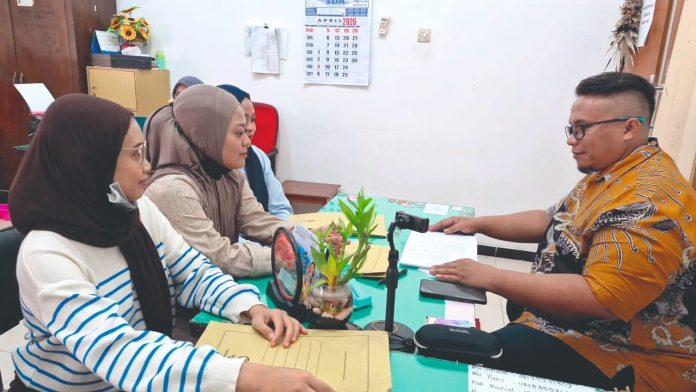
The Tulungagung Manpower and Transmigration Agency has now facilitated clarification meetings between both sides. During the process, company representatives reportedly agreed to settle all obligations to workers within 60 days.
Willy urged the company to fulfill the commitment because the agreement already carries legal consequences if violated.
He also called on business owners across Tulungagung to complete all required administrative documents, including company regulations and labor permits.
“This is important to create a healthy business climate and provide legal certainty for both workers and companies,” he said.
A similar view came from Lona Chinsia, an academic and human resource management practitioner from Tulungagung University.
She described the absence of written employment contracts and approved company regulations as an unhealthy business practice.
According to Lona, every company should have clear recruitment procedures, employment agreements, and standard operating procedures to protect workers’ rights.
“Without written contracts, workers will struggle to claim their rights,” she said. “At the same time, companies also risk sanctions or even business license revocation.”
The case has increased public attention toward labor compliance among private companies operating in Tulungagung, especially in the construction and property sectors.