Tag: street food

  • Crispy Fried Tofu Gains Popularity in Tulungagung as Ramadan Buyers Queue Before Sunset

    Crispy Fried Tofu Gains Popularity in Tulungagung as Ramadan Buyers Queue Before Sunset

    TULUNGAGUNG – Crispy fried tofu has become one of the most sought-after street snacks in Tulungagung Regency, especially during Ramadan when residents look for simple food to break the fast.

    Its appeal comes from a contrast in texture: a crisp outer layer and soft tofu inside. That combination makes it a practical choice for iftar and afternoon snacks.

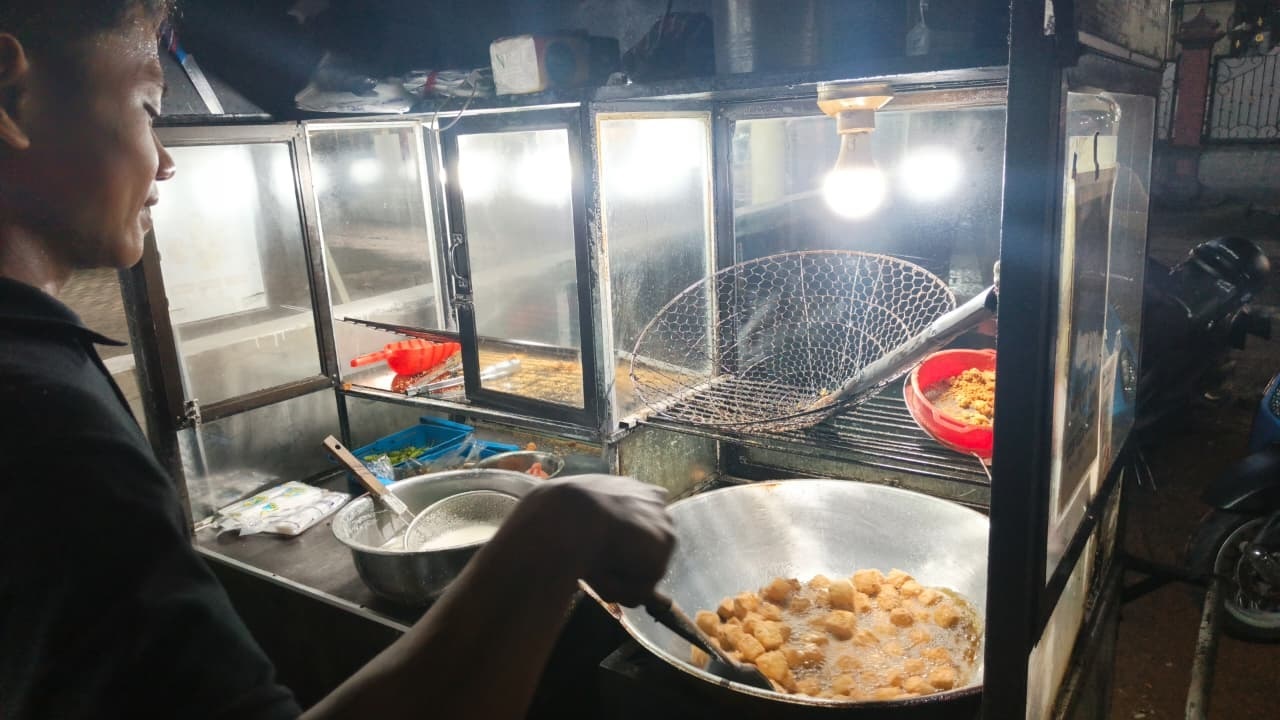
    One of the sellers drawing steady buyers is Ardi, who opens his stall in the late afternoon and starts preparing batches before the evening rush begins.

    He fries each tofu piece in a special flour coating that creates a thicker and crunchier layer than ordinary fried tofu sold at nearby stalls.

    Ardi does not rely on a quick frying process. He repeatedly pours liquid batter over the tofu while it cooks so the crispy coating builds layer by layer.

    That method gives the tofu a fuller texture and helps it stay crunchy longer after leaving the pan. He said one batch usually takes between 15 and 20 minutes before it reaches the texture he wants.

    “Usually it takes around 15 to 20 minutes to get the right crisp texture,” he said.

    After frying, he serves the tofu with chili powder and sambal rujak, a sweet and spicy dipping sauce that adds a sharper flavor. The seasoning has become one reason many buyers return, especially those who prefer a stronger taste for breaking the fast.

    Sales increase during Ramadan, when afternoon demand rises across the town. Ardi said he now sells out faster than on regular days because more families buy snacks before sunset.

    “Today alone we brought 16 boxes of tofu. One box contains around 45 pieces,” he said.

    As sunset approaches, a queue often forms in front of the stall. Many residents buy the crispy tofu to share at home with family members during iftar.

    The smell of fresh frying oil and hot batter has also become a familiar part of late afternoons in Tulungagung during Ramadan.

    For many people, that aroma signals that the busiest hour before breaking the fast has begun.
  • Es Gayung Ramadan Drink Draws Crowds in Tulungagung With Unique Serving Style

    Es Gayung Ramadan Drink Draws Crowds in Tulungagung With Unique Serving Style

    TULUNGAGUNG – As sunset approaches during Ramadan, takjil markets across Tulungagung grow crowded with residents searching for refreshing drinks and snacks to break their fast. Among the many options, the Es Gayung Ramadan drink has become one of the beverages attracting strong interest from visitors.

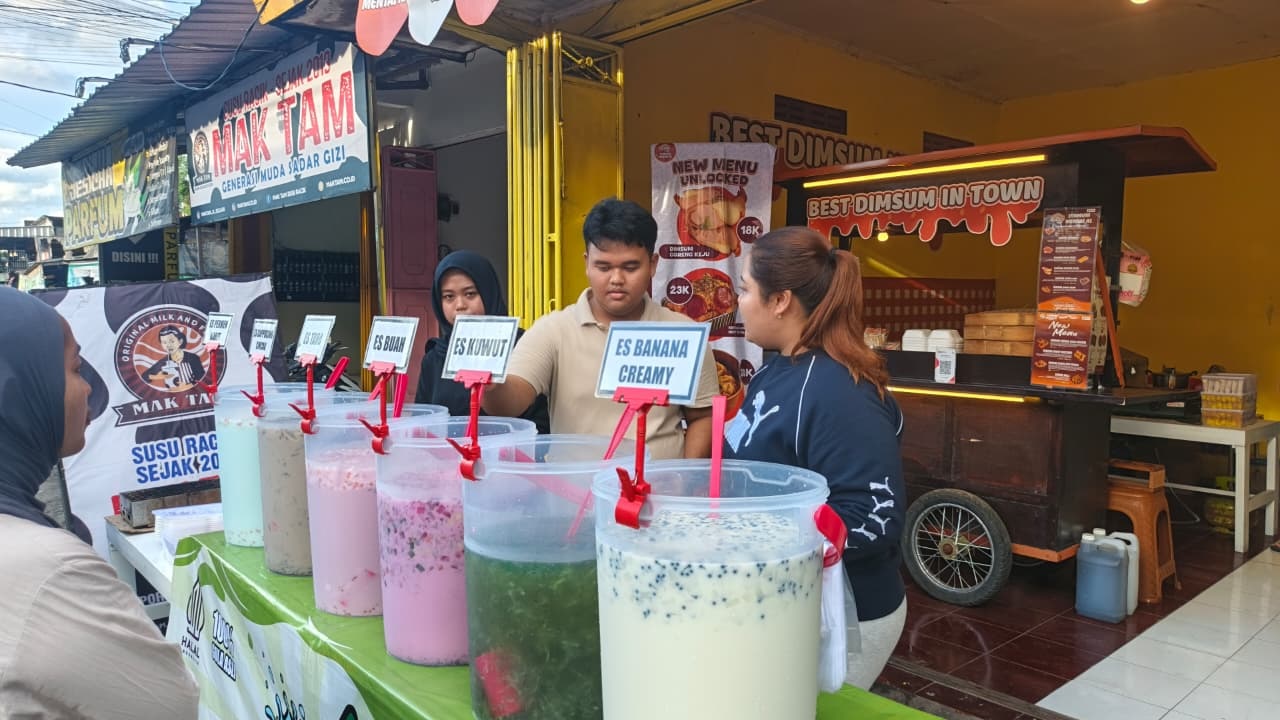
    The drink stands out because of its unusual name and its distinctive serving style. Instead of using bottles or dispensers, vendors scoop the drink from a large container using a plastic dipper known locally as a gayung. They then pour the drink into cups for customers, creating a simple but eye-catching presentation.

    As a result, many people feel curious when they see the serving process. Visitors often stop to watch before deciding to try the drink themselves.

    One of the vendors selling the drink is Cornella, who operates a stall at a Ramadan snack market. She offers a variety of colorful flavor options that attract customers looking for something refreshing before iftar.

    Her menu includes banana creamy ice, es kuwut, fruit ice, taro ice, cappuccino with grass jelly, and even bubble gum–flavored drinks. Because of the variety, many visitors gather around her stall in the late afternoon.

    Cornella explained that the name Es Gayung comes directly from the serving method.

    “We call it Es Gayung because the ice stays in a large tub, and we scoop it using a dipper,” she said.

    During Ramadan, Cornella usually starts selling at around 3 p.m. However, the crowd grows larger as sunset approaches and residents begin preparing food and drinks for iftar.

    Soon afterward, lines of customers often form in front of her stall. Many visitors want to secure a cold drink before the Maghrib call to prayer.

    In some cases, the drinks sell out even before the call to prayer begins. Cornella said the strong demand happens almost every day during Ramadan.

    “Thankfully, it’s always busy. Almost every day we sell out,” she said, adding that she hopes the enthusiasm will continue throughout the fasting month.

    Meanwhile, Ramadan markets across Tulungagung continue to offer many types of takjil. However, thanks to its unique serving style and refreshing flavors, Es Gayung Ramadan drink remains one of the memorable choices for visitors exploring the seasonal food stalls.

  • Avocado Dragon Fruit Es Teler Goes Viral in Tulungagung, Offering a Sweet and Refreshing Energy Boost

    Avocado Dragon Fruit Es Teler Goes Viral in Tulungagung, Offering a Sweet and Refreshing Energy Boost

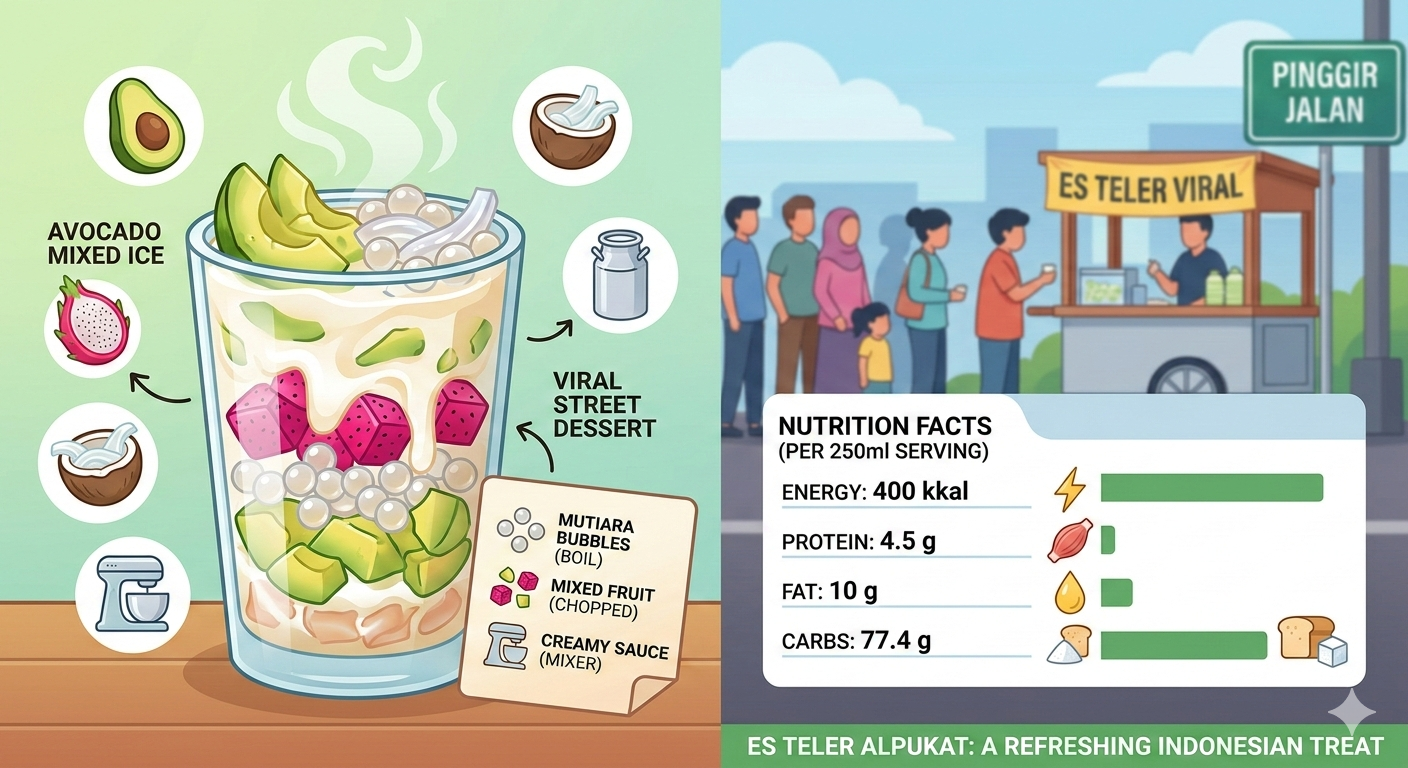
    TULUNGAGUNG – The colorful avocado dragon fruit es teler has gone viral among street food lovers in Tulungagung. Roadside vendors now attract crowds as many residents search for the refreshing dessert, especially during the hot midday hours.

    The drink catches attention with its striking contrast of pink dragon fruit and green avocado. In addition, a thick creamy broth delivers a rich sweet flavor that makes the dessert both refreshing and filling.

    During a live demonstration, a local vendor showed how to prepare the popular drink. Isayanti, a 38-year-old resident of Ringinpitu Village, explained that the process remains simple and practical.

    “Making es teler is actually quite easy,” she said.

    First, vendors boil tapioca pearls until they turn soft and chewy. Next, they peel ripe avocados and cut them into small pieces before placing them in a clean container. After that, they peel dragon fruit and slice it into small cubes to maintain a smooth texture when served.

    To create the sensation of young coconut, vendors prepare jelly until it becomes chewy. Then they shred the jelly so it resembles coconut meat. They also add grass jelly to enrich the drink’s texture and flavor.

    Meanwhile, the creamy broth forms the key element of the dessert’s taste. Vendors mix around 250 grams of sugar, 200 grams of creamer, powdered milk, sweetened condensed milk, evaporated milk, and grated cheese. They blend the ingredients with a mixer until the mixture becomes thick and smooth.

    After preparing all the components, vendors arrange the fruit, jelly, and toppings in a bowl or glass. Then they pour the creamy mixture over the ingredients and serve the dessert chilled.

    Besides its refreshing taste, nutrition experts say the dessert also provides significant energy.

    Ratih Puspitaningtyas, head of the nutrition department at dr Iskak Regional General Hospital, explained that one serving of avocado and dragon fruit es teler contains a relatively high calorie count.

    “A serving of about 250 to 300 milliliters contains around 400 kilocalories,” she said.

    According to Ratih, one glass also contains about 4.5 grams of protein, 10 grams of fat, and 77.4 grams of carbohydrates. Fruit, sugar, and syrup supply most of the carbohydrates, while coconut milk and avocado contribute most of the fat.

    Therefore, Ratih encourages people to consume the dessert wisely. One glass already provides considerable energy, especially when people drink it together with a full iftar meal.

    Many Indonesians still favor the dessert. Its mix of fresh fruit, creamy broth, and icy sweetness makes es teler one of the most popular drinks to break the fast during Ramadan.

  • Es Teler Creamy Becomes Ramadan Iftar Favorite in Tulungagung, Often Selling Out Within an Hour

    Es Teler Creamy Becomes Ramadan Iftar Favorite in Tulungagung, Often Selling Out Within an Hour

    TULUNGAGUNG – Es Teler Creamy has quickly become one of the most sought-after iftar drinks this Ramadan, drawing long lines of buyers eager for something sweet and refreshing after a day of fasting. The popular beverage blends traditional Indonesian fruit cocktail flavors with a richer, creamier twist.

    At first glance, the ingredients resemble classic es teler: avocado, jackfruit, and fresh young coconut. However, the difference lies in the texture and taste. Vendors mix full cream milk, evaporated milk, and sweetened condensed milk to create a smoother and more indulgent flavor.

    As a result, the drink offers both freshness and a creamy finish. Many customers say the balance of sweetness and richness makes it ideal for breaking the fast.

    The seller, Putri, prepares everything at home earlier in the day to ensure the stall is ready by mid-afternoon. She typically opens around 3 p.m., just as workers and students begin heading home.

    “The ingredients are similar to regular es teler. The difference is we use full cream milk, evaporated milk, and condensed milk. That’s what makes it creamy,” Putri explained.

    Unlike some variations, she chooses not to add cheese. She prefers to maintain her own signature blend that highlights the milky texture without overpowering the fruit flavors.

    During Ramadan, demand has surged significantly. On several occasions, she sold out within an hour of opening. The rapid sales reflect strong word-of-mouth promotion and growing attention on social media.

    Every afternoon, short queues form in front of her stall. The crowd often builds up before the Maghrib call to prayer signals the time to break the fast.

    For many residents, Es Teler Creamy is more than just a cold drink. It has become part of the seasonal tradition of hunting for takjil, the light refreshments enjoyed at iftar.

    As Ramadan continues, the creamy fruit dessert shows how small culinary innovations can capture public attention. In Tulungagung’s bustling Ramadan food scene, this simple yet indulgent drink has secured its place as a local favorite.

  • Es Teler Teko Becomes Ramadan Favorite in Tulungagung as Buyers Line Up Before Sunset

    Es Teler Teko Becomes Ramadan Favorite in Tulungagung as Buyers Line Up Before Sunset

    TULUNGAGUNG – The growing popularity of Es Teler Teko has turned a modest roadside stall in Tulungagung into one of the town’s most talked-about Ramadan takjil destinations.

    Every afternoon before sunset, residents crowd the streets in search of refreshing drinks for iftar. Along Jalan Jayeng Kusuma, however, one vendor stands out. The attraction lies not only in the taste, but also in the unusual serving style.

    Instead of a regular cup or bowl, the dessert comes in a plastic teapot that customers can take home. This practical concept has quickly become a selling point.

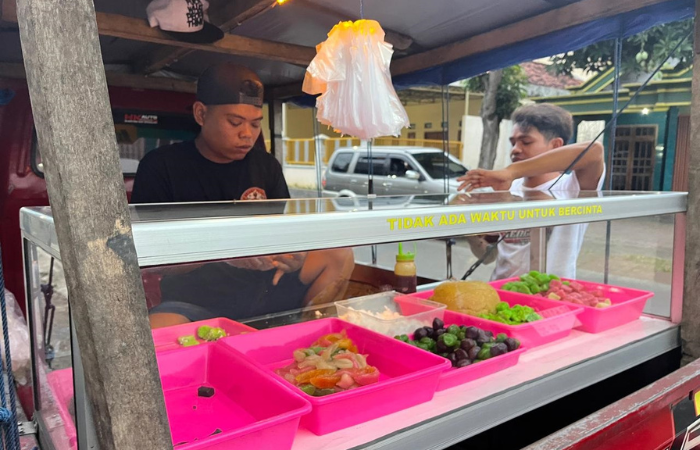
    Each teapot contains a generous mix of four colorful jellies in red, green, black, and blue, combined with sliced avocado, dragon fruit, jackfruit, sweet creamer, and plenty of ice.

    The price remains affordable. A large bowl costs Rp 10,000, while the full teapot package sells for Rp 15,000. Because of that, customers begin lining up early in the afternoon.

    The vendor, Cisil, prepares all ingredients at home starting at noon. She opens her stall between 2:00 p.m. and 2:30 p.m. local time.

    During Ramadan, demand rises sharply. She says the stall almost always sells out.

    “Thankfully it’s busy. Almost every day we run out. Once, everything was gone by 4 p.m.,” she said.

    As the Maghrib call to prayer approaches, the crowd grows larger. Families come together, while workers stop by on their way home to buy takjil.

    Although Cisil includes the plastic teapot in each purchase, she still makes a profit, even if the margin is modest. For her, the unique packaging makes the difference.

    Amid the surge of seasonal Ramadan street food, Es Teler Teko proves that a simple idea can turn a classic Indonesian dessert into Tulungagung’s newest culinary trend.

  • Traditional Takjil in Tulungagung: Lupis and Cenil Drenched in Palm Sugar Dominate Ramadan Markets

    Traditional Takjil in Tulungagung: Lupis and Cenil Drenched in Palm Sugar Dominate Ramadan Markets

    TULUNGAGUNG – Traditional takjil in Tulungagung continues to draw large crowds during Ramadan, as residents flock to street stalls in search of classic sweet treats to break their fast. Despite the growing popularity of modern snacks, time-honored delicacies such as lupis and cenil remain the top choice for many.

    Ramadan in Indonesia is synonymous with “takjil hunting,” a pre-iftar ritual where people buy light bites before sunset. In Tulungagung, East Java, the enduring appeal of traditional takjil reflects both nostalgia and practicality. The sweet flavors are considered ideal for restoring energy after hours of fasting.

    Lupis, made from glutinous rice wrapped in banana leaves and boiled until tender, offers a chewy and filling texture. It is typically served with freshly grated coconut and generously drizzled with thick liquid palm sugar. The combination of savory coconut and rich sweetness has made lupis a staple appetizer before the main meal.

    Equally popular is cenil, known for its vibrant colors and eye-catching presentation. Made from tapioca flour, cenil has a soft, chewy consistency and a mild sweetness that pairs perfectly with shredded coconut and palm sugar syrup. Its playful appearance makes it especially appealing to children and young buyers.

    Beyond taste and tradition, affordability plays a key role in sustaining demand. Lupis and cenil are sold at accessible prices, ensuring they remain competitive amid a wave of trendy Ramadan snacks.

    Every Ramadan, vendors set up stalls across city corners and traditional markets, where long queues form ahead of iftar. For many residents, buying traditional takjil in Tulungagung is not just about satisfying hunger, it is also about preserving culinary heritage and reliving cherished memories of past Ramadans.

  • Tulungagung Ramadan Takjil Market Passes Food Safety Checks With Zero Hazardous Substances

    Tulungagung Ramadan Takjil Market Passes Food Safety Checks With Zero Hazardous Substances

    RADAR TULUNGAGUNG – Authorities in Tulungagung, East Java, confirmed that all food and drinks at the SAVANA Ramadan takjil market are free from hazardous substances after an inspection on Wednesday (Feb. 26).

    Health officers took 30 random samples from vendors at the SAVANA (Sentra Aneka Variasi Takjil Nusantara) market. The market operates this year at the GOR Lembu Peteng complex. Rapid tests detected no banned chemicals in any sample.

    The Tulungagung Health Office conducted the inspection with Indonesia’s Food and Drug Monitoring Agency (BPOM). Officials run these checks every Ramadan as demand for ready-to-eat iftar snacks rises sharply.

    “We used rapid test methods, and all 30 samples were negative for hazardous substances,” said Desi Lusiana Wardhani, head of the Tulungagung Health Office.

    Inspectors screened foods for methanil yellow, rhodamine B, borax, and formalin. Samples included dumplings, meatballs, stuffed tofu, beverages, and other prepared snacks sold at the market.

    Desi said the inspection also supports small food businesses through guidance and mentoring. The health office has trained vendors on safe ingredients and handling practices for years.

    “These results show our education and assistance programs work well. Most vendors now follow the food safety standards we teach,” she said.

    Inspectors still found minor issues at several stalls. Some vendors displayed food without proper covers. Others needed better sanitation practices. Officers gave direct feedback on site so vendors could fix the problems quickly.

    Officials also placed stickers on stalls that joined food safety briefings. The labels show vendors understand safe food handling standards. Authorities say the Ramadan takjil market is safe for public consumption.

  • Sweet Risol Ramadan Trend Takes Off as Matcha and Chocolate Fillings Win Buyers

    Sweet Risol Ramadan Trend Takes Off as Matcha and Chocolate Fillings Win Buyers

    RADAR TULUNGAGUNG – Risol Ramadan snacks are seeing surging demand in Indonesia as new sweet variants such as matcha and chocolate attract buyers seeking fresh iftar treats.

    Traditionally known for savory fillings, risol has long been a staple of Ramadan street food. The thin-wrapped, deep-fried snack remains popular because it is practical, tasty, and affordable. As sunset approaches, vendors often sell out quickly.

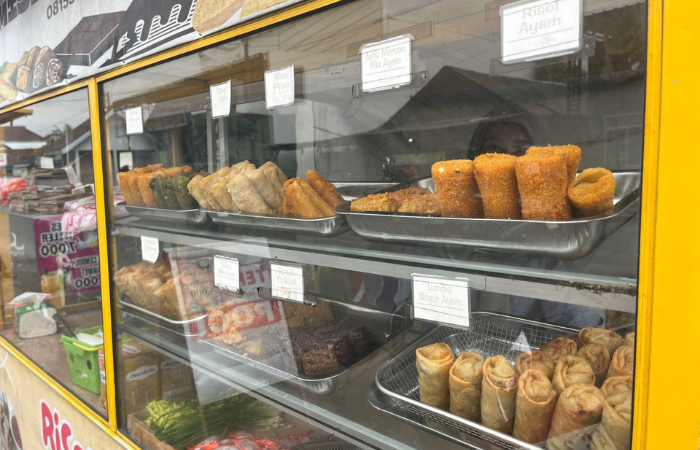
    However, culinary trends have begun reshaping this classic snack. Sweet versions now complement the usual vegetable and mayonnaise fillings. Matcha risol offers smooth green tea cream, while chocolate risol delivers a molten sweet center. The contrast between crispy skin and soft filling makes both ideal for breaking the fast.

    In Bendilwungu, risol stalls draw steady evening crowds during Ramadan. Vendors typically offer a wide selection including matcha, chocolate, mayo, vegetables, pizza-style, and sausage fillings. This mix of savory and sweet options allows families to choose according to taste.

    For small food businesses, the fasting month brings a significant sales boost. Producers increase output well above normal days to meet demand. Flavor innovation also shows how traditional snacks like risol continue to compete in Indonesia’s crowded takjil market.

  • Pasar Takjil Savana Tulungagung Draws Ramadan Crowds Seeking Unique Iftar Market Experience

    Pasar Takjil Savana Tulungagung Draws Ramadan Crowds Seeking Unique Iftar Market Experience

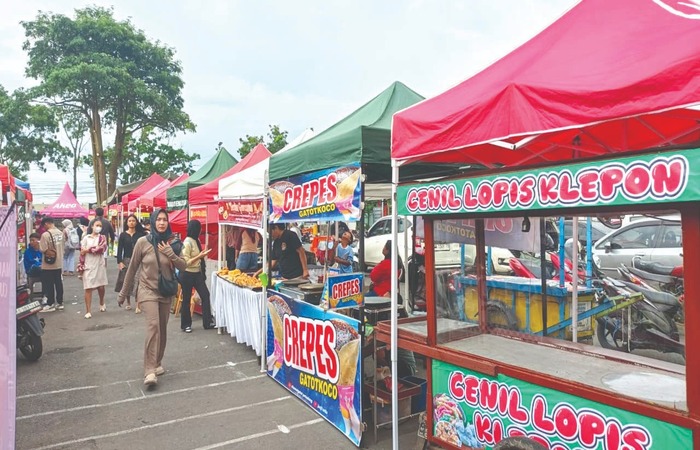
    RADAR TULUNGAGUNG – Pasar Takjil Savana Tulungagung is drawing large Ramadan crowds near GOR Lembu Peteng. The market offers a lively hub for residents searching for iftar meals and festive vibes.

    From around 3 p.m. on Friday (Feb. 20), vendors streamed into the market area to set up stalls ahead of the evening rush. The scent of freshly fried snacks, chilled drinks, and a mix of traditional and modern street foods quickly filled the air, signaling the start of Tulungagung’s seasonal Ramadan bazaar.

    As sunset approached, visitor numbers surged across the organized rows of stalls at the market in Tulungagung. Long queues formed as shoppers selected dishes for breaking their fast, creating the familiar Ramadan scene of bustling trade and communal celebration.

    One visitor, Ahmad Dwi Kurniawan said he came with friends for “takjil hunting.” He prefers buying takjil at a special Ramadan market. He said the experience feels more festive than roadside shopping.

    “The vibe is different here,” he said. “It’s more enjoyable because everything sits in one place. You walk a short distance and find many options.”

    Visitors also praised the spacious layout. They can move easily between stalls. The organized concept makes shopping more comfortable. Pasar Takjil Savana has become a key Ramadan gathering point for locals.

Tim dukungan pelanggan kami siap menjawab pertanyaan Anda. Tanyakan apa saja!