
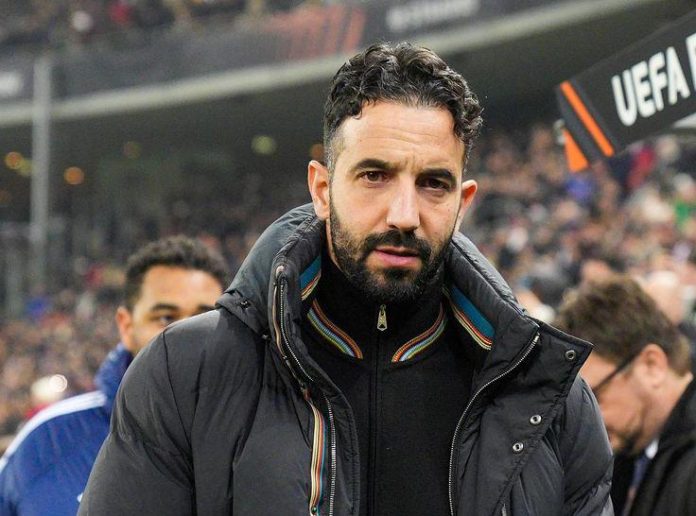

JAKARTA – The Manchester United manager sacking of Ruben Amorim has exposed deep tensions behind the scenes, with reports pointing to a growing power struggle within the club’s leadership structure.
Amorim’s departure follows weeks of internal friction, particularly over transfer strategy and decision-making authority. Despite being appointed as head coach, the Portuguese manager believed he would have broader control, similar to a traditional managerial role.
Sources suggest his relationship with sporting director Jason Wilcox had been strained, with disagreements intensifying during the recent transfer window. The situation had been “brewing for some time,” with Amorim himself reportedly aware that his position was under threat.
The timing of the decision has raised eyebrows. Manchester United were just three points off the top four, keeping their UEFA Champions League hopes alive. Many analysts argue that removing the manager at such a critical stage of the season carries significant risk.
Amorim was said to be confident that, with a few experienced signings and the return of key players from international duty, the club could still secure a top-five finish. That position is widely expected to be enough for Champions League qualification this season.
The decision also adds to a pattern of managerial instability at Old Trafford since the departure of Sir Alex Ferguson. Previous managers—including David Moyes, Louis van Gaal, Jose Mourinho, and Ole Gunnar Solskjaer—were all dismissed amid similar debates over time, control, and long-term planning.
Criticism has also been directed at the club’s ownership and structure. Manchester United operates under a complex system involving the Glazer family, minority stakeholders such as INEOS led by Jim Ratcliffe, and multiple layers of football management. This has often blurred lines of authority.
Ratcliffe had publicly backed Amorim just months earlier, calling for patience and a long-term approach. However, the swift decision to part ways after only a short period has drawn scrutiny over consistency in leadership strategy.
Amorim’s candid media comments may have accelerated the outcome. Known for his direct communication style, he had recently hinted at frustrations, effectively challenging the club hierarchy to either support him fully or make a change.
Attention is now turning to the squad, particularly captain Bruno Fernandes. The midfielder, who shares a close relationship with Amorim, had previously considered leaving the club. While no immediate transfer is expected, uncertainty over his long-term future could grow in the aftermath of the managerial change.
As Manchester United begin yet another transition, questions remain over whether structural issues—rather than individual managers—are at the heart of the club’s ongoing struggles.