

BLITAR – Bediding Season in Blitar, East Java, has brought colder temperatures and growing health concerns. Local health officials warn that the seasonal weather pattern could increase the risk of respiratory infections, influenza, and asthma flare-ups, particularly among vulnerable groups.
Residents across Blitar have recently experienced cooler temperatures, especially during the night and early morning hours. Health authorities say the sharp difference between daytime and nighttime temperatures can place additional stress on the human body.
Dr. Christine Indrawati, head of the Blitar Regency Health Office, said extreme cold weather during the annual bediding period may weaken the body’s natural defenses against disease.
“From a medical perspective, the cold temperatures that occur during the bediding season can reduce the effectiveness of the immune system. When immunity declines, viruses and bacteria can multiply more easily and attack the body,” Christine said.
According to health experts, the body must work harder to adapt to sudden temperature changes. As a result, some people may experience a temporary decline in immune function, making them more susceptible to illness.
The Health Office noted that acute respiratory infections, commonly known as ARI or ISPA in Indonesia, often become more prevalent during colder weather. Seasonal influenza and asthma symptoms may also worsen when temperatures drop.
Cold air can trigger vasoconstriction, a condition in which blood vessels narrow. This process may affect blood circulation and reduce the efficiency of immune cells that help fight infections.
Health officials have also highlighted another challenge associated with the bediding season. The air tends to become drier than usual, creating conditions that may affect respiratory health.
Dry air can reduce moisture in the nose and throat. These areas contain protective mucous membranes that act as the body’s first barrier against dust, germs, and other harmful particles entering the respiratory tract.
When those protective layers lose moisture, they become less effective at filtering pathogens. This condition can increase the likelihood of respiratory infections and other health problems.
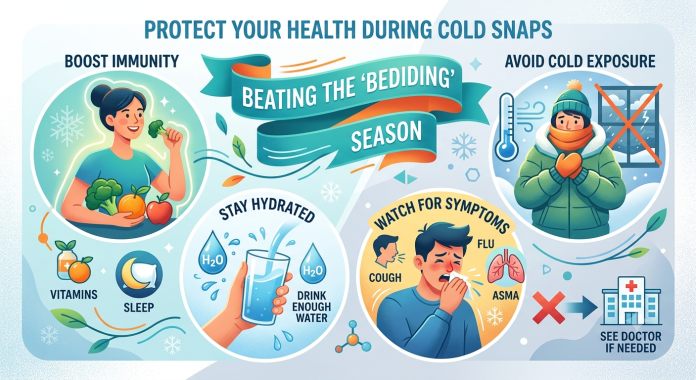
Because of these risks, the Blitar Regency Health Office has urged residents to take preventive measures. Officials recommend wearing warm clothing, limiting prolonged exposure to cold air, and maintaining adequate hydration throughout the day.
Health experts also encourage people to consume nutritious foods and get sufficient rest. These habits can help strengthen the immune system during periods of colder weather.
Authorities advise residents to seek medical attention if symptoms persist or worsen. Early treatment can prevent complications and support faster recovery.
As the bediding season continues across parts of East Java, health officials stress that simple preventive measures can play an important role in protecting public health and reducing the risk of seasonal illnesses.