

TULUNGAGUNG – A growing effort to revive the Youth Discussion Space in Tulungagung is encouraging young people to engage in critical conversations about social, economic, and environmental issues. The initiative comes at a time when many members of Indonesia’s younger generation rely heavily on social media and spend less time in face-to-face discussions.
At a coffee shop in Tulungagung, a group of young people recently gathered to discuss topics ranging from the rupiah exchange rate and economic uncertainty to environmental concerns. The scene may seem ordinary, but organizers believe such conversations have become increasingly rare.
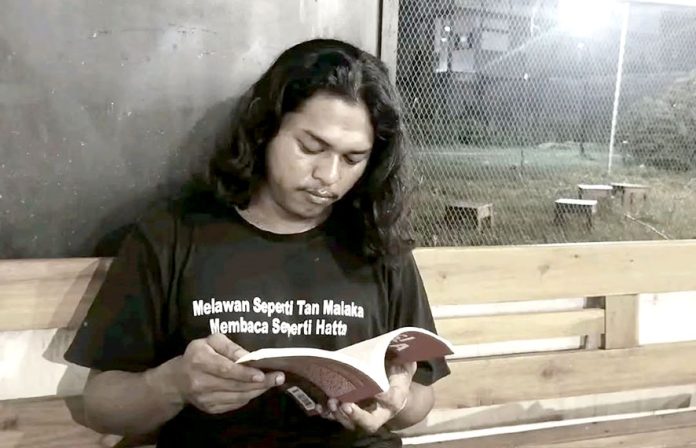
One of the figures behind the movement is Kurnia Ahmad Sabili Robbiki, a 23-year-old activist from Sumberagung Village in Rejotangan District. Known locally as Bili, he joined Peneleh Activists in 2024 and has since worked to rebuild spaces where young people can exchange ideas and sharpen their critical thinking skills.
“Young people today do not lack information. What they often lack is a space to discuss ideas and test their perspectives together,” Bili said.
Peneleh Activists operates under the Peneleh Foundation. The youth organization draws inspiration from the ideas of Indonesian nationalist leader HOS Tjokroaminoto, who emphasized education, awareness, and the strategic role of young people in driving social change.
Although the organization remains relatively new in Tulungagung, members have already organized book review sessions and discussions on current issues affecting local communities. Their activities may appear modest, but they address a growing concern among youth activists.
Bili believes many young people now prefer to learn independently rather than participate in collective learning environments. He said this trend extends beyond Tulungagung and reflects broader changes across Indonesia.
Several national studies in recent years have shown shifts in youth participation within community organizations and public discussion forums. Young people increasingly express their opinions through social media platforms rather than engaging in direct dialogue.
As a result, many debates end in comment sections without producing deeper understanding or well-developed ideas. Bili argues that group discussions remain essential because they expose participants to different viewpoints and encourage more balanced thinking.
“We see a tendency among young people to feel more comfortable learning alone. In fact, exchanging ideas with others helps build broader perspectives,” he said.
To address this challenge, Peneleh Activists combines offline and online approaches. The group hosts direct discussions and also uses digital platforms to reach younger audiences.
The topics extend beyond politics, members discuss economic issues, environmental challenges, and social conditions in Tulungagung. Organizers want participants to understand local problems from different perspectives.
Bili believes social awareness grows through observation and understanding. People become more engaged when they pay attention to issues affecting their own communities.
He pointed to environmental concerns as one example. Many young people overlook these issues despite their impact on daily life.
“Our hope is that young people do not only view Tulungagung through a political lens. They should also pay attention to environmental, social, and community issues around them,” he said.
Through these small initiatives, Peneleh Activists hopes to rebuild a culture of discussion. The group wants more young people to think critically, share ideas, and contribute to positive change in their communities.