
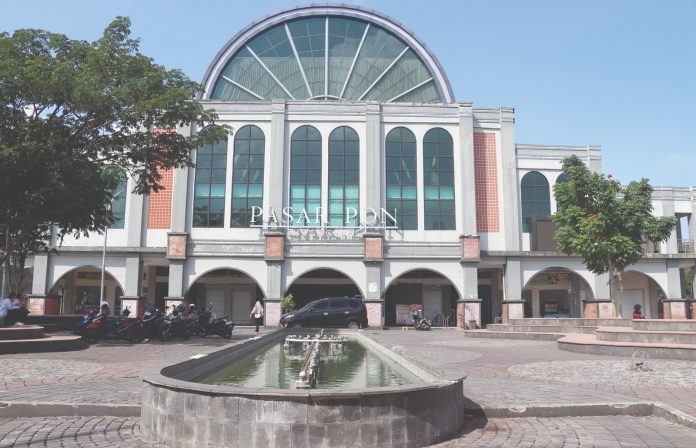

TRENGGALEK – Pasar Pon revitalization has become a priority issue for local lawmakers in Trenggalek as traders continue to face declining customer traffic, limited kiosk space, and growing competition from online shopping platforms.
Commission II of the Trenggalek Regional House of Representatives (DPRD) plans to evaluate policies implemented by the Department of Cooperatives, Micro Enterprises, and Trade (Diskomidag) following a series of complaints from merchants operating inside Pasar Pon, the regency’s main traditional market.
Lawmakers previously visited the market to gather feedback directly from traders. The visit revealed several longstanding concerns that continue to affect business activity and market competitiveness.
Murkam, Deputy Chairman of Commission II, said many traders have expressed frustration over the size of their kiosks and the challenges of competing with e-commerce platforms that attract an increasing number of consumers.
“Traders have raised complaints because many kiosks are too small. They also struggle to compete with the online trading system and several other challenges,” Murkam said.
According to him, the local government has already introduced several initiatives to encourage residents to shop at Pasar Pon. These efforts include training programs that help traders improve their digital marketing skills and expand their online presence.
Despite those initiatives, Murkam acknowledged that Pasar Pon is not the only traditional market facing difficulties. Similar challenges affect markets in many regions, although each location has its own specific issues.
To identify potential solutions, local officials have conducted comparative studies in other cities, including Yogyakarta. One concept that attracted attention involves transforming upper-floor areas into social spaces for young people.
Murkam noted that several markets have successfully increased visitor numbers by creating gathering spots, cafés, or community spaces on upper levels. These facilities help maintain foot traffic throughout the day and attract younger generations who may not typically visit traditional markets.
However, he explained that Pasar Pon’s second floor was not originally designed to function as a youth hangout area. As a result, authorities cannot directly replicate the same concept and must explore alternative approaches that suit the building’s existing structure.
Local lawmakers and government agencies will continue discussing possible solutions, they aim to improve trading conditions and attract more visitors.
Officials plan to include the proposed improvements in the regional development agenda for 2027. The program will focus on strengthening Pasar Pon’s competitiveness.
Trenggalek also wants to involve traders in the planning process. Authorities hope the collaboration will produce practical solutions and help Pasar Pon adapt to changing shopping habits.