
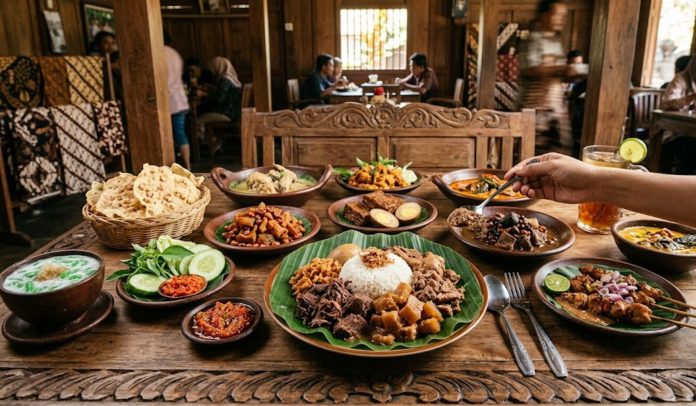

JAKARTA – Authentic Solo cuisine is gaining wider recognition among international and domestic travelers as Indonesia’s culinary tourism sector continues growing rapidly in 2026. The Central Java city remains famous for preserving traditional Javanese recipes, historic eateries, and unique street food experiences that continue attracting food lovers from across the region.
Solo’s Culinary Heritage Becomes a Major Tourism Attraction
Solo has successfully maintained its reputation as one of Indonesia’s most culturally rich food destinations. Visitors traveling to the city often seek traditional dishes that represent authentic Javanese cooking techniques and flavors.
Nasi liwet remains one of Solo’s most iconic meals, featuring coconut milk rice served with chicken opor, eggs, and sambal goreng. Many tourists specifically visit historic eateries known for preserving traditional preparation methods.
Serabi Solo also continues attracting travelers interested in authentic street snacks. Vendors at famous stalls such as Serabi Notosuman still use traditional cooking equipment to prepare the sweet rice flour pancakes.
Tourism experts say Solo’s food culture has become increasingly valuable as travelers search for more meaningful local experiences during their trips.
Legendary Dishes Continue Attracting Culinary Enthusiasts
Several dishes in Solo reflect historical influences that helped shape the city’s culinary identity over generations.
Selat Solo remains one of the clearest examples of cultural fusion, combining European-inspired presentation with traditional Javanese seasoning. The beef dish served with vegetables and brown gravy remains highly popular among visitors.
Gudeg ceker has also become a major culinary attraction, particularly during nighttime food tours. The savory jackfruit stew and tender chicken feet continue drawing large crowds at famous food stalls.
Goat-based specialties such as sate buntel and tengkleng remain equally important in Solo’s food scene. Culinary observers say these dishes continue standing out due to their rich spices and traditional preparation methods.
Restaurant owners report that younger travelers increasingly visit Solo after discovering its culinary destinations through social media and online travel content.
Traditional Snacks and Local Drinks Strengthen Culinary Identity
Solo’s culinary reputation extends beyond its signature meals. Traditional snacks and beverages also continue contributing to the city’s popularity.
Cabuk rambak remains one of the city’s rarest traditional foods, featuring rice cake, sesame sauce, and crispy crackers commonly sold in traditional markets.
Dawet telasih continues serving as a popular traditional beverage made with coconut milk, palm sugar syrup, basil seeds, and cendol.
Meanwhile, pecel ndeso has gained popularity among tourists interested in vegetable-based local cuisine. The dish reflects the simplicity and nutritional balance often associated with rural Javanese food traditions.
Local tourism communities believe preserving traditional culinary businesses remains essential for maintaining Solo’s cultural heritage and supporting the city’s economy.
As culinary tourism becomes increasingly competitive across Southeast Asia, Solo continues standing out as a destination where food, history, and culture remain closely connected.
For many travelers, exploring Solo’s authentic cuisine has become one of the most memorable ways to experience traditional Indonesian culture firsthand.